The 5 pillars of Islam are not just religious duties — they are the foundation of a meaningful, balanced, and spiritually rich Muslim life. Think of them like the roots of a strong tree. When the roots are healthy, the tree stands tall, grows steadily, and bears beautiful fruit. In the same way, when the pillars are understood and practiced with sincerity, they shape faith, character, and purpose.
Many people know what the 5 pillars of Islam are, but fewer truly understand why they exist and how deeply they influence everyday life. This article explores not only the definitions but also the true purpose behind each pillar, explained in a simple, human, and relatable way.
Let’s walk through them together.
What Are the 5 Pillars of Islam? (A Simple Overview)
The 5 pillars of Islam are the core acts of worship that form the backbone of Islamic faith and practice. They guide a Muslim’s belief, worship, behavior, and relationship with Allah and with other people.
Meaning of the Word “Pillars” in Islam
A pillar is something that holds a structure upright. Remove it, and everything collapses. In Islam, these pillars support a believer’s spiritual life. Without them, faith becomes weak or incomplete.
Why the 5 Pillars of Islam Are the Foundation of Faith
Each pillar serves a different role — belief, prayer, charity, self-discipline, and unity. Together, they create balance. One nurtures the heart, another disciplines the body, and another purifies wealth. This balance is what makes Islam a complete way of life, not just a set of rituals.
First Pillar of Islam – Shahada (Declaration of Faith)
The Shahada, the first pillar of Islam, is the sincere declaration that affirms belief in the oneness of Allah and acceptance of Prophet Muhammad ﷺ as His final messenger.
What Is the Shahada?
The Shahada is the declaration:
“There is no god but Allah, and Muhammad ﷺ is the Messenger of Allah.”
This simple sentence is the gateway to Islam. Saying it with belief and sincerity makes a person Muslim.
The Deeper Purpose of Shahada in a Muslim’s Life
The true purpose of Shahada goes far beyond words. It defines worldview, values, and direction. It teaches that nothing deserves worship except Allah and that guidance comes through the Prophet Muhammad ﷺ.
How Shahada Shapes Belief, Identity, and Intention
Shahada shapes identity like a compass. It helps Muslims ask important questions before every action: Is this pleasing to Allah? Does this align with my faith? It creates clarity in a confusing world and gives life a clear purpose.
Second Pillar of Islam – Salah (Daily Prayer)
The Salah, the second pillar of Islam, is the obligation of performing five daily prayers that connect a believer with Allah, bringing discipline, peace, and spiritual awareness into daily life.
What Is Salah and Why Is It Obligatory?
Salah is the five daily prayers performed at specific times throughout the day. It is a direct connection between a servant and their Creator — no intermediaries, no barriers.
The Spiritual Purpose Behind the Five Daily Prayers
Prayer is not meant to be mechanical. Its purpose is remembrance, humility, and spiritual recharge. Just as your phone needs daily charging, the soul needs regular prayer to stay alive and focused.
How Salah Builds Discipline and Inner Peace
Salah teaches time management, patience, cleanliness, and mindfulness. When life feels chaotic, prayer acts like an anchor. Many people describe it as a moment where the noise of the world finally goes quiet.
Third Pillar of Islam – Zakat (Charity and Purification)
The Zakat, the third pillar of Islam, is an obligatory act of charity that purifies wealth and helps support the needy, promoting compassion and social justice.
What Is Zakat and Who Must Pay It?
Zakat is an obligatory charity given by Muslims who meet a minimum wealth threshold. It is usually 2.5% of savings and certain assets.
The True Purpose of Zakat Beyond Money
Zakat doesn’t just help the poor — it purifies the giver. The word “Zakat” itself means purification and growth. It removes greed from the heart and replaces it with compassion.
How Zakat Strengthens Society and the Soul
Zakat builds a bridge between rich and poor. It reduces inequality and creates responsibility within the community. When practiced sincerely, it transforms society into a place of care rather than competition.
Fourth Pillar of Islam – Sawm (Fasting in Ramadan)
The Sawm, the fourth pillar of Islam, is the act of fasting during the month of Ramadan to develop self-control, spiritual discipline, and closeness to Allah.
What Is Sawm and When Do Muslims Fast?
Sawm refers to fasting during the month of Ramadan, from dawn to sunset. Muslims abstain from food, drink, and sinful behavior during fasting hours.
The Spiritual Purpose of Fasting in Islam
Fasting is not about hunger — it’s about awareness. It teaches self-control, patience, and empathy. When you feel hunger, you understand the struggles of others. When you resist desires, you strengthen your willpower.
How Ramadan Trains Self-Control and Gratitude
Ramadan acts like a spiritual training camp. It resets habits, softens hearts, and increases gratitude. Even simple blessings like water and food suddenly feel precious.
Fifth Pillar of Islam – Hajj (Pilgrimage to Makkah)
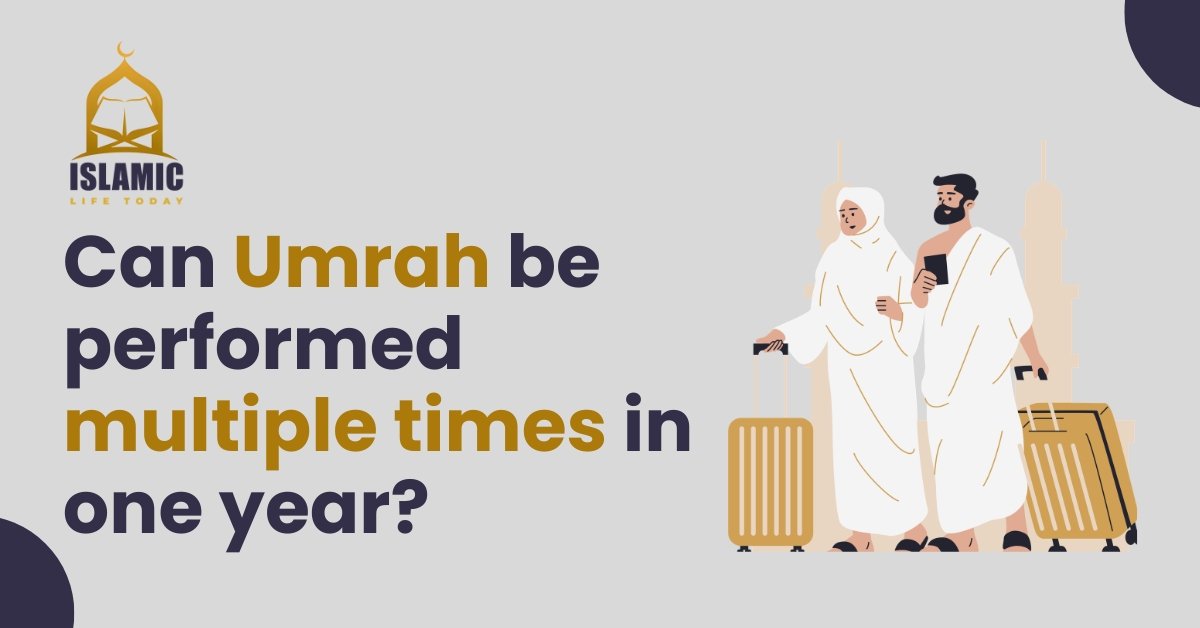
The Hajj, the fifth pillar of Islam, is the sacred pilgrimage to Makkah that every able Muslim must perform at least once, symbolizing unity, devotion, and spiritual renewal.
What Is Hajj and Who Must Perform It?
Hajj is a pilgrimage to Makkah that every financially and physically able Muslim must perform at least once in their lifetime.
The Deeper Meaning and Purpose of Hajj
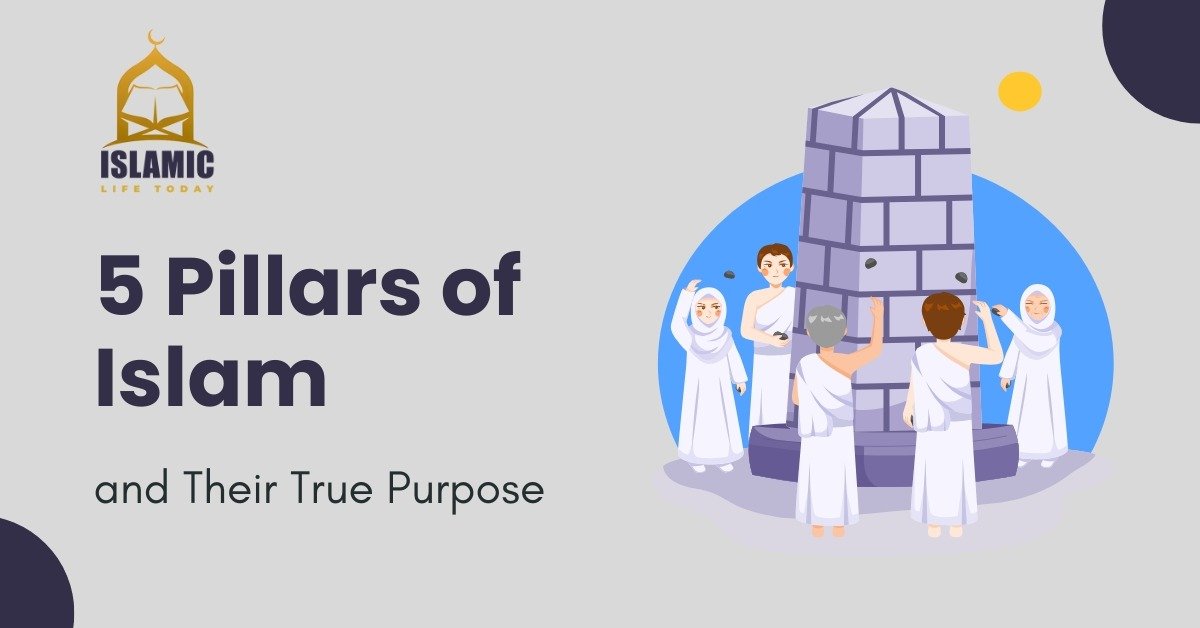
Hajj represents complete submission to Allah. Millions of people dress the same, stand together, and worship together — reminding humanity that status, wealth, and race mean nothing before God.
Unity, Equality, and Renewal Through Hajj
Hajj is a powerful symbol of unity. It strips away ego and renews faith. Many people return from Hajj feeling spiritually reborn, like starting life with a clean heart.
How the 5 Pillars of Islam Work Together
The 5 Pillars of Islam work together to create a balanced spiritual and moral life, guiding faith, worship, character, and community in harmony.
A Complete System for Spiritual Balance
Each of the 5 pillars of Islam supports a different aspect of life:
- Shahada builds belief
- Salah maintains connection
- Zakat purifies wealth
- Sawm controls desire
- Hajj unites the Ummah
Together, they create harmony between faith, action, and character.
Faith, Worship, Character, and Community Combined
Islam doesn’t separate worship from daily living. The pillars train Muslims to be honest, disciplined, generous, and spiritually aware — not just in mosques, but in everyday life.
Common Misunderstandings About the 5 Pillars of Islam
arise when people see them as mere rituals rather than meaningful practices that shape faith, character, and daily life.
Are the Pillars Only Rituals?
No. While they include physical acts, their real purpose is internal transformation. Without intention and understanding, rituals lose meaning.
Do the Pillars Apply to Modern Life?
Absolutely. In a fast, stressful world, the 5 pillars of Islam provide clarity, balance, and peace. Their wisdom is timeless.
Why Understanding the True Purpose of the 5 Pillars of Islam Matters Today
Understanding the true purpose of the 5 Pillars of Islam helps Muslims live their faith consciously, finding spiritual balance, meaning, and guidance in today’s busy world.
Reconnecting With Faith in a Busy World
Many people perform religious duties out of habit. Understanding their purpose brings life back into worship and strengthens faith.
Living Islam Beyond Rituals
Islam is not limited to prayer mats or mosques. The pillars teach honesty at work, kindness in society, patience in hardship, and gratitude in ease.
Frequently Asked Questions (FAQs)
They are the five main acts of worship in Islam: faith (Shahada), prayer (Salah), charity (Zakat), fasting (Sawm), and pilgrimage (Hajj).
They form the foundation of a Muslim’s faith and help build spiritual discipline, morality, and social responsibility.
Belief in Shahada makes one Muslim, but practicing all pillars strengthens faith and fulfills religious duties as much as one is able.
Their main purpose is to connect humans with Allah and create a balanced, ethical, and meaningful life.
They shape habits, character, discipline, generosity, and mindfulness — guiding both personal and social behavior.
Conclusion
The 5 pillars of Islam are not burdens — they are blessings. They guide the heart, discipline the soul, and connect believers to Allah in every stage of life. When practiced with understanding and sincerity, they transform ordinary routines into acts of worship.
By embracing their true purpose, we move beyond rituals and begin living Islam as a complete, beautiful way of life.