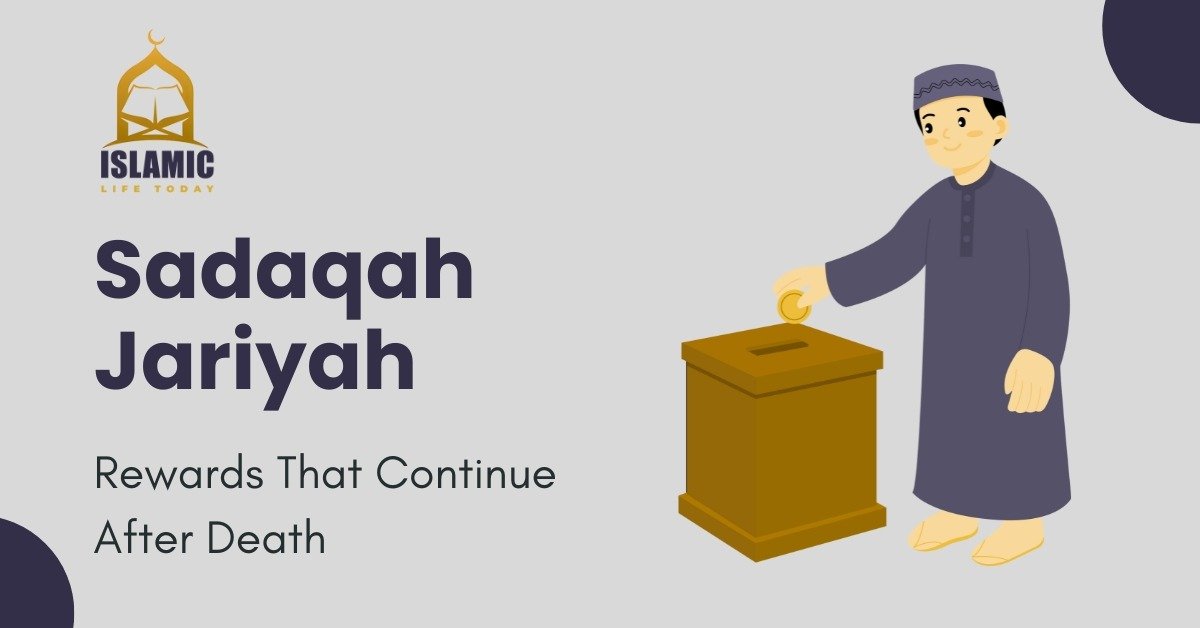
Have you ever wondered if your good deeds could keep working for you even after you leave this world? Imagine earning rewards while resting in your grave — sounds comforting, right? This beautiful concept exists in Islam and is known as sadaqah jariyah. It is one of the greatest forms of charity, offering continuous blessings that never stop flowing.
In today’s fast-paced world, where everything feels temporary, sadaqah jariyah gives us something permanent — a spiritual legacy that benefits both us and others long after our death. Let’s explore what it truly means, why it matters, and how you can make it part of your life in a meaningful and practical way.
Understanding the Meaning of Sadaqah Jariyah
It refers to a form of ongoing charity whose rewards continue to benefit a person even after death through lasting good deeds.
What Does Sadaqah Jariyah Literally Mean?
The term sadaqah jariyah comes from Arabic. Sadaqah means charity, while jariyah means continuous or flowing. Together, they refer to a form of charity whose rewards continue even after the giver has passed away.
Unlike one-time donations, sadaqah jariyah keeps benefiting people over time — and every benefit adds to your scale of good deeds.
Difference Between Sadaqah and Sadaqah Jariyah
Regular sadaqah offers reward at the time it is given. For example, feeding a hungry person or helping someone financially brings immediate reward.
However, sadaqah jariyah is different. Its impact continues. Think of it like planting a tree instead of giving a single fruit. Every fruit that grows later brings fresh reward.
Why Continuity Makes Sadaqah Jariyah Unique
What makes this charity special is its longevity. Even when your actions stop, the rewards don’t. It’s like setting up a spiritual auto-payment system that keeps working on your behalf.
The Concept of Ongoing Rewards in Islam
It highlights how certain good deeds, like sadaqah jariyah, continue to earn rewards for a believer even after their death through lasting benefit to others.
What Happens to Deeds After Death?
Islam teaches that when a person dies, their deeds come to an end — except for a few specific things. Among them is sadaqah jariyah, which continues to benefit the believer.
This concept gives hope and motivation to Muslims to think long-term rather than short-term.
Hadith That Explains Continuous Charity
The Prophet Muhammad ﷺ said:
“When a person dies, all their deeds end except three: ongoing charity (sadaqah jariyah), beneficial knowledge, or a righteous child who prays for them.”
This hadith alone shows how powerful and valuable sadaqah jariyah truly is.
Why Muslims Focus on Long-Term Good Deeds
Life is short, but impact can be long-lasting. Muslims are encouraged to invest in actions that outlive them, turning temporary effort into eternal reward.
Why Sadaqah Jariyah Is So Powerful
Because it creates a continuous stream of rewards that keep reaching a believer long after death through lasting acts of goodness.
Rewards That Never Stop Flowing
One of the most beautiful aspects of sadaqah jariyah is that its rewards keep flowing day and night. Every prayer made in a mosque you helped build, every drop of water from a well you funded, every lesson learned from knowledge you shared — all count.
A Mercy for the Deceased
For those who have passed away, sadaqah jariyah becomes a source of light in the grave. Families often donate on behalf of loved ones, hoping Allah grants them comfort and forgiveness.
A Spiritual Investment for the Hereafter
Think of sadaqah jariyah as a long-term investment account — except the return is eternal reward. You invest once, and the dividends keep coming forever.
Types of Sadaqah Jariyah That Bring Endless Rewards
These include lasting charitable acts like building mosques, providing water, spreading knowledge, and supporting education that continue to benefit people over time.
Building or Supporting a Mosque
Helping build a mosque, even with a small contribution, is among the most well-known forms of sadaqah jariyah. Every prayer, Quran recitation, and good deed done there becomes part of your reward.
Providing Clean Water
Water is life. Building wells or water systems for communities in need is one of the most impactful types of sadaqah jariyah. Each sip taken becomes a source of reward.
Supporting Islamic Education
Supporting madrasahs, online Quran platforms, or Islamic learning centers helps spread knowledge for generations.
Printing or Sharing the Quran
Providing Qurans or Islamic books allows people to read, learn, and act upon knowledge — multiplying your rewards endlessly.
Knowledge as Sadaqah Jariyah
Sharing beneficial knowledge becomes ongoing charity when others continue to learn from it and act upon it long after you are gone.
Teaching Beneficial Knowledge
Teaching someone how to pray, recite Quran, or understand Islam is a powerful form of sadaqah jariyah. That knowledge continues to benefit them — and you — for life.
Writing or Sharing Authentic Islamic Content
Writing articles, blogs, or guides that help people understand Islam properly can also be sadaqah jariyah. Even one article that helps someone grow spiritually carries long-term reward.
Online Dawah as Modern Sadaqah Jariyah
In today’s digital age, online platforms allow your message to reach thousands. Websites, videos, and educational content can serve as modern forms of sadaqah jariyah.
Planting Trees and Environmental Charity
Engaging in acts that benefit others is a powerful form of sadaqah jariyah, as every positive impact on people, animals, and the environment brings continuous reward.
Planting Trees in Islam
Performing small acts of kindness is a simple yet meaningful deed highly encouraged in Islam. Every fruit eaten by humans, animals, or birds becomes charity.
Ongoing Benefit for Humans and Animals
Trees provide shade, oxygen, food, and shelter — benefits that continue for years. This makes tree-planting a perfect example of sadaqah jariyah.
Small Actions, Massive Rewards
Even one tree planted with sincere intention can outweigh many actions on the Day of Judgment.
Sadaqah Jariyah on Behalf of Loved Ones
Offering ongoing charity in the name of parents or deceased loved ones allows its rewards to reach them continuously by Allah’s mercy.
Can You Give Sadaqah Jariyah for Parents?
Yes, absolutely. You can give sadaqah jariyah on behalf of your parents, whether they are alive or have passed away. It’s a beautiful way to honor them.
Donating for the Deceased
Many people donate wells, Qurans, or education funds in the name of deceased loved ones. The reward reaches them continuously by Allah’s mercy.
How Intentions Multiply Rewards
Your intention matters deeply. A sincere intention can multiply rewards beyond imagination.
How to Start Your Own Sadaqah Jariyah Project
To start your own sadaqah jariyah project, the first step is to identify a cause that lasts. Focus on something sustainable that continues to benefit people over time, such as education, clean water, spreading knowledge, or supporting community development. Once you’ve chosen a cause, it’s important to start small but stay consistent. You don’t need to be wealthy; even modest contributions, when made regularly, can grow into a significant and lasting impact. Finally, partner with trusted organizations or reliable Islamic platforms that ensure transparency and real-world results, so your efforts truly benefit those in need and your rewards continue to flow.
Common Misconceptions About Sadaqah Jariyah
Many people mistakenly think that sadaqah jariyah is only for the wealthy, but that’s not true. Islam emphasizes that goodness is not limited to money — time, effort, skills, and knowledge are equally valuable forms of charity. It also doesn’t have to be expensive or grand; even simple acts like sharing beneficial knowledge or planting a single tree can count as ongoing charity. Above all, sincerity matters more than the size of the deed. Allah values genuine intentions, and a small act done with pure intention can bring greater reward than a large action done without sincerity.
Benefits of Sadaqah Jariyah in This Life
Engaging in ongoing charity brings inner peace, blessings, and a sense of fulfillment while positively impacting the community around you.
Inner Peace and Contentment
Giving creates peace in the heart. Knowing you’re contributing to something lasting brings deep satisfaction.
Barakah in Wealth and Life
Charity never decreases wealth. Instead, it brings blessings, ease, and unexpected goodness.
Strengthening Community Bonds
Sadaqah jariyah builds stronger, kinder, and more supportive communities.
How Sadaqah Jariyah Shapes Your Legacy
It allows you to leave a lasting impact by turning your good deeds into continuous rewards that benefit others long after you’re gone.
Leaving a Meaningful Impact
Your legacy is not what you own but what you leave behind in the hearts and lives of others.
Turning Everyday Actions Into Eternal Rewards
Simple actions done with intention can become eternal rewards.
Preparing for the Hereafter Wisely
Smart believers prepare for the next life by investing in deeds that never expire.
Frequently Asked Questions (FAQs)
Providing clean water, supporting education, or spreading Islamic knowledge are among the best examples of sadaqah jariyah.
Yes, you can give sadaqah jariyah on behalf of deceased parents or loved ones, and the reward reaches them.
No. Teaching, sharing knowledge, or planting trees are also valid forms of sadaqah jariyah.
As long as people continue to benefit from it, the reward continues.
Yes. Helpful Islamic articles, videos, or educational resources can be modern forms of sadaqah jariyah.
Conclusion
Sadaqah jariyah is one of the greatest blessings Islam offers — a way to earn continuous rewards even after death. Whether through knowledge, charity, water, education, or digital efforts, every sincere action can become an ongoing source of reward. Start small, stay sincere, and trust that Allah multiplies every effort. Make your life meaningful by planting seeds that grow long after you are gone.