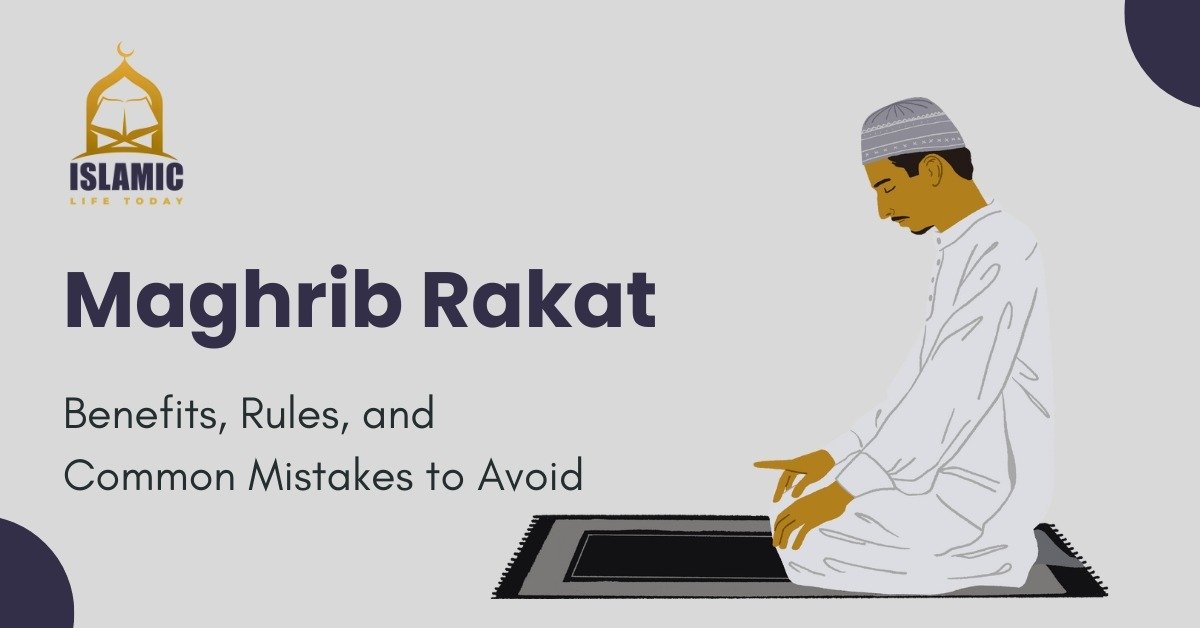
Maghrib Rakat is one of the most significant daily prayers in Islam. Praying Maghrib at its prescribed time is a way to seek Allah’s blessings and strengthen our spiritual connection. But what exactly makes this prayer so special? Let’s dive in and understand it better.
What is Maghrib Rakat?
Maghrib prayer is the fourth obligatory prayer of the day, performed just after sunset. Unlike other prayers, it is short but very powerful, consisting of a few rakats that are easy to perform, even for beginners. The term Rakat refers to the cycle of movements including standing, bowing, and prostrating while reciting Quranic verses and prayers.
Importance of Maghrib Prayer in Islam
Maghrib prayer holds a special place in Islam because it marks the transition from day to night. It is a moment to pause, reflect, and reconnect with Allah after the day’s activities. Performing Maghrib prayer on time is highly rewarded, and it reminds believers of discipline, gratitude, and spiritual mindfulness.
How Many Rakats Are in Maghrib Prayer?
Maghrib prayer consists of three obligatory (fard) rakats and two highly recommended sunnah rakats performed after sunset.
Sunnah and Fard Rakats
Maghrib prayer has a total of three fard rakats and two sunnah rakats. The sunnah rakats are voluntary but highly recommended as they carry immense rewards and help perfect the obligatory prayer.
Sequence of Rakats
- First, perform the two sunnah rakats before the fard prayer.
- Then, perform the three fard rakats, completing the prayer with proper recitation and movements.
- Maintain focus, proper posture, and the correct pronunciation of Quranic verses to ensure the prayer is accepted.
Step-by-Step Guide to Performing Maghrib Rakat
Learn how to perform Maghrib Rakat correctly with a simple step-by-step guide for each rakat and movement.
Preparing for Maghrib Prayer
Before starting, ensure you are in a state of wudu (ablution). Dress modestly, find a clean and quiet place, and mentally prepare yourself to focus solely on Allah.
Performing Each Rakat Correctly
- Standing (Qiyam): Begin with the Takbir (Allahu Akbar) and recite Surah Al-Fatihah, followed by another short Surah.
- Bowing (Ruku): Keep your back straight, say Subhana Rabbiyal Azeem three times.
- Prostration (Sujood): Say Subhana Rabbiyal A’la three times, then sit briefly, and perform a second sujood.
- Repeat for all rakats, concluding with Tashahhud and Salam at the end.
Key Benefits of Maghrib Rakat
Discover the spiritual, psychological, and social benefits of performing Maghrib Rakat regularly.
Spiritual Benefits
Maghrib Rakat strengthens your relationship with Allah, brings inner peace, and fosters gratitude for the day’s blessings. It is also a time for reflection and repentance.
Psychological Benefits
Regularly performing Maghrib prayer reduces stress, calms the mind, and improves focus. Taking a pause in the evening for spiritual reflection helps balance emotions and mental health.
Social and Community Benefits
Praying in congregation enhances a sense of community, strengthens bonds with fellow Muslims, and promotes unity and discipline in everyday life.
Common Mistakes to Avoid in Maghrib Rakat
Discover the common mistakes people make during Maghrib Rakat and learn how to avoid them for a proper prayer.
Mistakes During Ruku and Sujood
Many beginners make mistakes by not bowing properly or rushing through sujood. Remember, each movement should be deliberate and respectful.
Mistakes in Recitation and Intention
Mispronouncing verses or skipping parts of Al-Fatihah reduces the reward of prayer. Always focus on correct recitation and sincere intention (niyyah).
Timing Mistakes
Maghrib prayer should be performed immediately after sunset. Delaying without valid reason may lead to missing the prayer’s full rewards.
Tips for Improving Your Maghrib Prayer
Practical tips to enhance your focus, mindfulness, and consistency while performing Maghrib prayer.
Concentration and Mindfulness
Avoid distractions and focus on every word, bow, and prostration. Imagine standing directly in front of Allah – this enhances sincerity and presence of mind.
Practicing Consistency and Punctuality
Make it a habit to perform Maghrib prayer on time daily. Consistency is key to spiritual growth and strengthens faith gradually.
Maghrib Rakat in Congregation vs Alone
Praying in congregation at a mosque offers numerous benefits, including multiplied rewards, enhanced discipline, and a stronger sense of community among fellow worshippers. However, when praying alone at home, it’s important to create a dedicated, quiet space and avoid rushing through the prayer. Treat it as a personal and intimate conversation with Allah, focusing on sincerity and mindfulness to make each rakat heartfelt and meaningful.
Frequently Asked Questions (FAQs)
Maghrib prayer has 3 fard rakats and 2 sunnah rakats.
It should ideally be performed immediately after sunset, but it can be offered before Isha if necessary.
Yes, Al-Fatihah is obligatory in every rakat to complete the prayer properly.
Absolutely! Beginners can pray alone while focusing on correct movements and recitation.
It brings spiritual peace, mental calmness, discipline, and strengthens your connection with Allah.
Conclusion
Maghrib Rakat is more than just a daily routine – it’s a powerful tool to nurture faith, find peace, and strengthen your connection with Allah. By understanding its rules, avoiding common mistakes, and focusing on sincere practice, every believer can truly benefit from this blessed prayer. Make it a habit, embrace its spiritual rewards, and feel the tranquility it brings to your life.