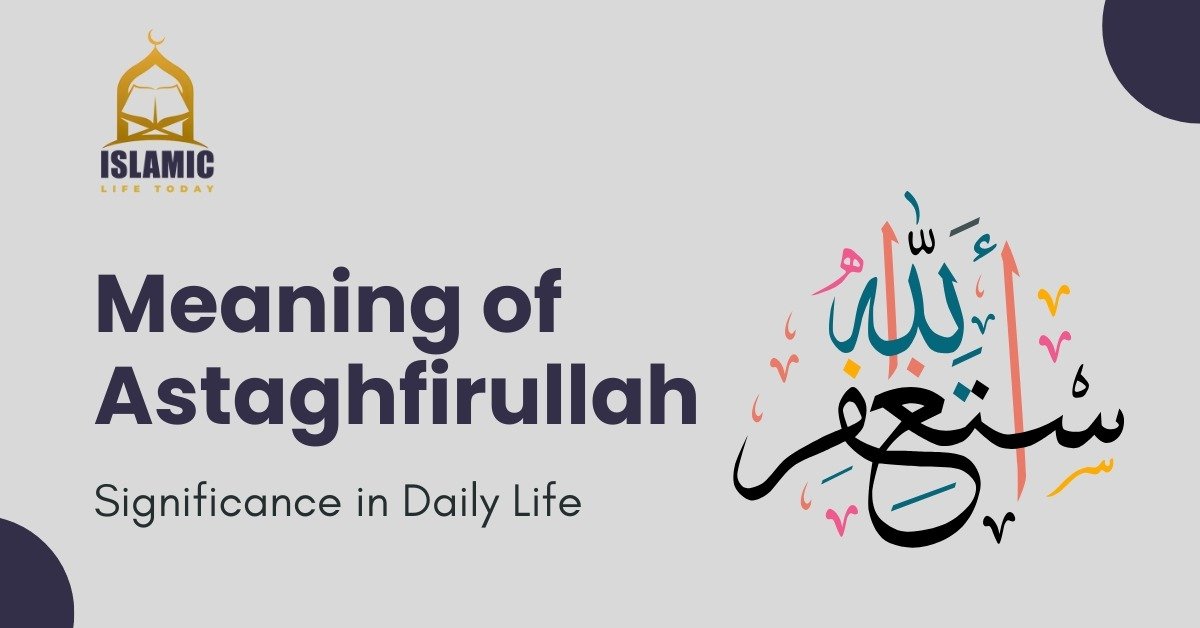
Have you ever found yourself saying “Astaghfirullah” out of habit, without really thinking about what it means? Don’t worry, you’re not alone! In Islam, this simple phrase carries an ocean of spiritual weight. Astaghfirullah literally translates to “I seek forgiveness from Allah”. It’s a humble acknowledgment of our human flaws and a heartfelt plea to our Creator for mercy.
Its origins trace back to the Quran and Hadith, where believers are encouraged to frequently seek forgiveness. The act of saying Astaghfirullah isn’t just a ritual; it’s a deep spiritual practice that cleanses the soul, softens the heart, and strengthens one’s connection with Allah.
The Spiritual Importance of Saying Astaghfirullah
Discover how seeking forgiveness through Astaghfirullah purifies the heart, strengthens faith, and brings you closer to Allah.
Connecting With Allah Through Repentance
Repentance is the heart of Islamic faith, and Astaghfirullah is the key to unlocking it. When you utter this phrase, you acknowledge your mistakes, sins, and shortcomings, bringing yourself closer to Allah. Think of it as pressing the reset button for your soul. It’s not just about words; it’s about sincere intent and turning back to the path of righteousness.
Purifying the Heart and Mind
When repeated with mindfulness, Astaghfirullah has a profound purifying effect. It clears negative thoughts, fills your heart with hope, and creates mental clarity. Just like we clean our homes regularly, our spiritual self also needs cleaning — and this phrase does exactly that.
Astaghfirullah in Daily Life
Learn how incorporating Astaghfirullah into everyday moments can guide your actions, bring peace, and keep you mindful of Allah.
How Often Should You Say It?
There’s no strict limit, but scholars encourage saying it often — morning, evening, or whenever you feel distant from Allah. Even a few heartfelt repetitions a day can transform your spiritual state. Some even recite it 100 times after each prayer for maximum benefit.
Situations That Call for Astaghfirullah
Astaghfirullah isn’t just for big sins. You can say it:
- When you make a small mistake
- When you feel anger or jealousy creeping in
- When something bad happens or you notice a flaw in your actions
It’s a versatile phrase that fits almost every situation where humility is required.
Psychological and Emotional Benefits
Explore how saying Astaghfirullah can reduce stress, promote inner peace, and uplift your emotional well-being.
Reducing Stress and Anxiety
Did you know that repeatedly saying Astaghfirullah can help relieve anxiety? By acknowledging your mistakes and leaving the judgment to Allah, you release yourself from unnecessary worry. It’s a spiritual therapy that calms the mind.
Boosting Inner Peace and Happiness
There’s a unique peace that comes when you seek forgiveness. It’s like carrying an emotional weight and letting it go. Your heart feels lighter, your mind sharper, and your overall happiness increases.
Astaghfirullah and Forgiveness
Understand how seeking forgiveness with Astaghfirullah cleanses the soul and fosters humility and reconciliation.
Seeking Forgiveness From Allah
At its core, Astaghfirullah is a reminder that no one is perfect. By saying it, we admit our imperfections and seek Allah’s mercy, ensuring that our sins don’t accumulate over time.
Healing Relationships Through Humility
Interestingly, saying Astaghfirullah can also improve relationships. When you acknowledge your mistakes, you become more humble, patient, and forgiving toward others. It creates a ripple effect of kindness and understanding in your daily life.
Common Misunderstandings About Astaghfirullah
Learn to avoid misconceptions and use Astaghfirullah with true understanding and heartfelt intention.
Saying It Without Understanding
Many people recite it mechanically, almost like a chant. But without understanding, it loses its impact. The power of Astaghfirullah comes from intention and reflection, not just repetition.
Misusing It as Just a Reaction
Sometimes people say Astaghfirullah as a reaction to something shocking or disturbing, like gossip or a minor mistake. While it’s not wrong, using it mindfully for repentance amplifies its spiritual benefits.
Integrating Astaghfirullah Into Daily Routine
Discover practical ways to make Astaghfirullah a consistent part of your daily life for lasting spiritual growth.
Morning and Evening Dhikr
Starting and ending your day with Astaghfirullah can set a spiritual tone. Just five minutes in the morning or night can significantly improve mindfulness, gratitude, and overall well-being.
During Work, Travel, and Challenges
Life isn’t always calm. Astaghfirullah can be your companion during stressful work, travel, or challenging moments. It’s a reminder that no matter what happens, Allah is your refuge, and seeking forgiveness brings serenity.
Stories and Examples from the Quran and Hadith
Learn valuable lessons from the Quran and Hadith that highlight the power and benefits of saying Astaghfirullah.
Prophetic Teachings on Seeking Forgiveness
The Prophet Muhammad (peace be upon him) emphasized saying Astaghfirullah frequently. He reportedly said, “By Allah, I seek forgiveness from Allah and repent to Him more than seventy times a day.” This shows the importance of constant repentance.
Real-Life Examples and Lessons
Muslims have shared countless stories of how Astaghfirullah changed their lives — from mending broken hearts to finding clarity in tough situations. It’s more than words; it’s an active practice that reshapes character and attitude.
How Astaghfirullah Strengthens Your Faith
See how regularly seeking forgiveness with Astaghfirullah deepens your mindfulness, strengthens your connection with Allah, and nurtures your spiritual growth.
Building a Habit of Mindfulness
When you repeat this phrase with reflection, it turns into a habit of mindfulness. You start noticing your actions, thoughts, and intentions more clearly. This awareness strengthens faith over time.
Strengthening Your Connection With Allah
Astaghfirullah reminds you that Allah is ever-merciful. The more you seek forgiveness, the stronger your relationship with your Creator becomes. It’s a simple phrase with a monumental impact.
Tips for Making Astaghfirullah a Meaningful Practice
Practical guidance on saying Astaghfirullah thoughtfully, pairing it with reflection and positive actions for maximum spiritual benefit.
Reflect Before You Say It
Don’t rush. Think about your actions, intentions, and feelings. Reflection transforms Astaghfirullah from a mechanical phrase into a heartfelt prayer.
Pair It With Action and Change
Words are powerful, but they work best when followed by action. If you make mistakes, seek forgiveness and make a sincere effort to improve. This combination maximizes both spiritual and worldly benefits.
Frequently Asked Questions (FAQs)
Say it sincerely, with awareness of your sins and intentions to seek forgiveness from Allah.
There is no fixed number, but repeating it frequently, especially after prayers, is highly recommended.
Yes, sincerely asking for forgiveness can remove past mistakes and lighten your spiritual burden.
Absolutely! Understanding gives depth to the phrase and enhances its spiritual impact.
It brings peace, mental clarity, and reliance on Allah, helping you navigate challenges with patience and faith.
Conclusion
Astaghfirullah is more than just a phrase. It’s a powerful spiritual tool that helps Muslims stay humble, seek forgiveness, and maintain a clean heart and mind. When integrated into daily life, it brings peace, clarity, and a stronger connection with Allah. By understanding its meaning and significance, you can turn a simple word into a life-changing practice.