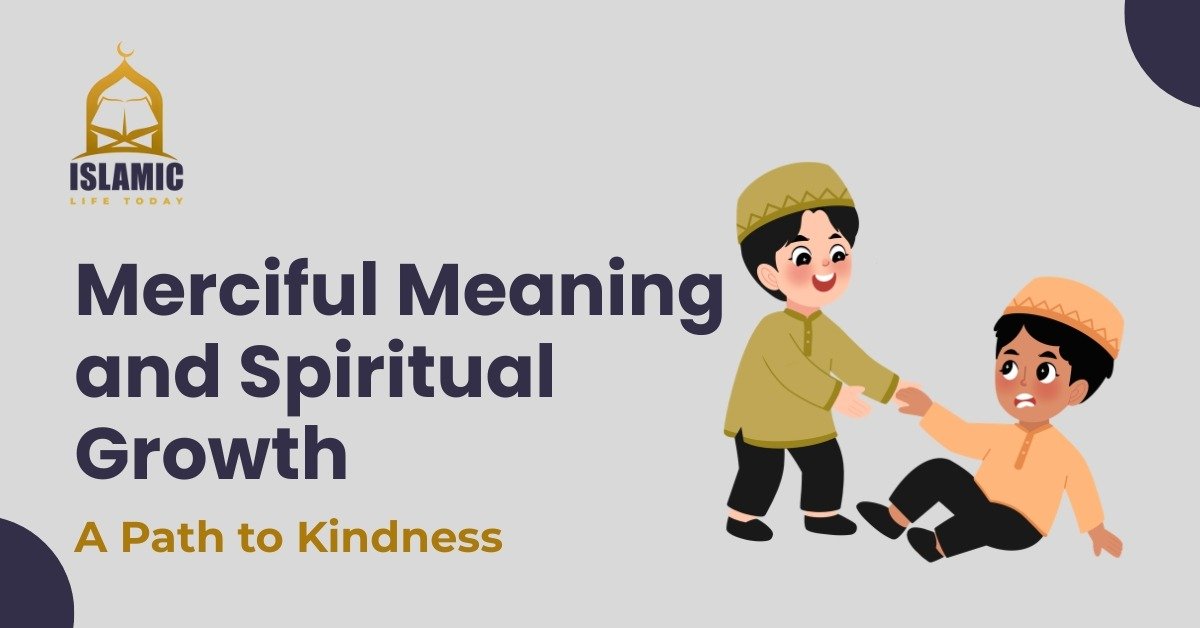
Have you ever paused to think about what it truly means to be merciful? In a world that often seems harsh, the ability to show compassion, understanding, and forgiveness can feel like a rare gift. Understanding the merciful meaning isn’t just about having a soft heart—it’s a journey that can transform your spiritual life, relationships, and overall sense of well-being. Let’s dive deep into what mercy truly represents and how embracing it can lead to profound spiritual growth.
Understanding the True Merciful Meaning
Explore what it truly means to be merciful and how genuine compassion can transform your life and relationships.
What Does It Mean to Be Merciful?
Mercy isn’t simply about feeling pity for someone or offering help when convenient. The merciful meaning is far richer. It’s about genuinely caring for the well-being of others, showing empathy even when it’s difficult, and offering forgiveness when we have every reason not to. Think of mercy as a bridge that connects hearts—when we show mercy, we create understanding, compassion, and a sense of shared humanity.
Mercy in Everyday Life
Mercy can manifest in countless small ways. It’s in listening patiently to someone vent their frustrations without judgment. It’s in forgiving a colleague who made a mistake, even when it cost you. It’s in offering your time, resources, or even a kind word to someone in need. By practicing these small acts consistently, mercy becomes a natural part of our daily interactions.
The Spiritual Importance of Mercy
Discover how embracing mercy nurtures inner peace, strengthens your soul, and aligns your heart with higher spiritual values.
Mercy as a Path to Inner Peace
Have you noticed how anger and resentment weigh heavily on the heart? Showing mercy isn’t just about the other person—it’s about freeing yourself from negativity. The merciful meaning connects closely with inner peace because letting go of grudges creates mental clarity, emotional balance, and a deeper sense of contentment. Mercy allows the heart to breathe.
The Role of Mercy in Islam
In Islamic teachings, mercy is central. Allah (SWT) is often described as “Ar-Rahman” (The Most Merciful) and “Ar-Raheem” (The Especially Merciful). The Prophet Muhammad (PBUH) embodied mercy in every aspect of his life—from his interactions with his family to his treatment of enemies. Understanding merciful meaning in this spiritual context shows that mercy isn’t just encouraged—it’s a reflection of divine qualities we are asked to emulate.
How Practicing Mercy Promotes Spiritual Growth
Learn how showing compassion to yourself and others fosters personal development, emotional balance, and a deeper connection with your spiritual path.
Developing Compassion for Yourself
Many people struggle with self-criticism. Showing mercy begins within. When you forgive yourself for past mistakes and embrace your imperfections, you pave the way for spiritual growth. Think of self-mercy as nurturing a garden—by being gentle with yourself, you allow seeds of personal growth and resilience to flourish.
Extending Compassion to Others
Once we master self-compassion, extending mercy to others becomes more natural. Empathy allows us to understand struggles beyond our own. Acts of mercy—whether big or small—create ripples in our communities, helping to heal wounds, reduce conflicts, and cultivate stronger bonds between people.
The Connection Between Mercy and Forgiveness
Understand how mercy and forgiveness work hand in hand to heal emotional wounds, release grudges, and bring inner peace.
Letting Go of Grudges
Forgiveness is a direct manifestation of mercy. Holding on to anger and resentment can chain you to the past. Practicing mercy means releasing grudges and offering forgiveness, even if you feel it’s undeserved. This doesn’t mean condoning wrongdoing—it means choosing peace over conflict.
Healing Through Mercy
Indeed, mercy has a profound healing effect. Psychologically, it reduces stress, anxiety, and anger. Moreover, spiritually, it aligns your heart with values of compassion and empathy. Consequently, practicing mercy creates a calmness that nothing else can provide. In essence, it’s like a balm for the soul, soothing wounds that time alone cannot heal.
Ways to Cultivate Mercy in Your Daily Life
Practical tips and habits to practice kindness, compassion, and understanding consistently, turning mercy into a natural part of your everyday life.
Mindfulness and Awareness
Mercy begins with awareness. Being present in your interactions allows you to notice when someone is struggling or when your words and actions might cause harm. Mindfulness strengthens the connection between thought and action, giving you the chance to respond with compassion rather than judgment.
Acts of Kindness and Charity
Small acts of kindness—helping a neighbor, donating to those in need, or even offering a smile—are practical ways to practice mercy. Charity, in particular, is a cornerstone in Islam, emphasizing the merciful meaning through selfless giving.
Using Words and Actions Thoughtfully
Mercy is also expressed through how we communicate. Words can hurt or heal. Speaking gently, listening actively, and acting considerately demonstrate a merciful heart. Even simple gestures, like patience in a traffic jam, can be a practice of mercy in action.
Common Misconceptions About Being Merciful
Clear up misunderstandings about mercy, showing that true compassion is a sign of strength, not weakness, and can coexist with justice.
Mercy is Not Weakness
Many believe that being merciful is a sign of weakness. On the contrary, it takes immense strength and courage to forgive, to be patient, and to show compassion in challenging circumstances. Mercy is a power that transforms, not a vulnerability to exploit.
Mercy Does Not Mean Ignoring Justice
Another misconception is that mercy means abandoning justice. True mercy recognizes wrongdoing but chooses a compassionate response that promotes healing and understanding. It balances fairness with kindness, creating a more harmonious and spiritually fulfilling approach to life.
Stories and Examples of Mercy from Islamic Teachings
Explore inspiring lessons from the Quran and the life of Prophet Muhammad (PBUH) that illustrate the power and beauty of mercy in action.
Mercy in the Life of Prophet Muhammad (PBUH)
The life of Prophet Muhammad (PBUH) is full of examples of mercy. For instance, he forgave those who opposed him, and furthermore, cared deeply for the poor and vulnerable. Additionally, he always encouraged compassion among his followers. Thus, his life illustrates that mercy is not just a moral choice—it’s a spiritual practice that strengthens the soul.
Lessons from the Quran About Mercy
The Quran repeatedly emphasizes mercy. Verses highlight Allah’s boundless compassion and encourage believers to embody mercy in all interactions. Understanding merciful meaning through these teachings shows how mercy is both a divine quality and a human responsibility.
Benefits of Living a Merciful Life
Discover how practicing mercy enhances emotional well-being, strengthens relationships, and attracts spiritual and worldly blessings.
Emotional and Mental Well-Being
Showing mercy reduces negative emotions, fosters resilience, and enhances mental health. When you release grudges and cultivate compassion, you experience joy, calmness, and emotional freedom that enriches daily life.
Building Stronger Relationships
Indeed, mercy strengthens personal and professional relationships. Specifically, compassionate actions build trust, loyalty, and mutual respect, thereby creating deeper and more meaningful connections with family, friends, and community members.
Attracting Blessings and Barakah
In Islam, acts of mercy are rewarded. Living a merciful life invites blessings (Barakah) into your life, not only spiritually but also in practical ways—through support, opportunities, and positive energy that flows back to you.
Challenges in Practicing Mercy and How to Overcome Them
Learn to navigate obstacles like anger, hurt, and setting boundaries while maintaining compassion and kindness in daily life.
Dealing with Hurt and Anger
It’s natural to feel anger or resentment when hurt. The challenge is not to suppress these feelings but to acknowledge them and choose a merciful response. Journaling, prayer, and reflection are practical tools to navigate these emotions.
Balancing Mercy and Boundaries
Being merciful doesn’t mean tolerating abuse or overextending yourself. Establishing healthy boundaries ensures that mercy is practiced wisely, preserving your energy while still extending compassion to others.
Frequently Asked Questions (FAQs)
Mercy means showing kindness, compassion, and forgiveness to others and yourself, even when it’s challenging.
Mercy reduces negativity, promotes emotional balance, and encourages empathy, all of which foster spiritual and personal growth.
Both. Some people have natural compassion, but mercy can also be cultivated through mindfulness, reflection, and practice.
Start small: pause before reacting, empathize with the other person, and focus on forgiveness instead of resentment.
Islam teaches that mercy is a divine quality of Allah and a human responsibility, guiding believers to show compassion, forgiveness, and kindness in all aspects of life.
Conclusion:
The merciful meaning is more than a definition—it’s a lifestyle that shapes your soul, relationships, and spiritual path. In fact, by practicing mercy, you cultivate compassion, forgiveness, and kindness, which in turn creates a ripple effect that transforms your life and the world around you. Therefore, embrace mercy today, and watch your heart expand in ways you never imagined.