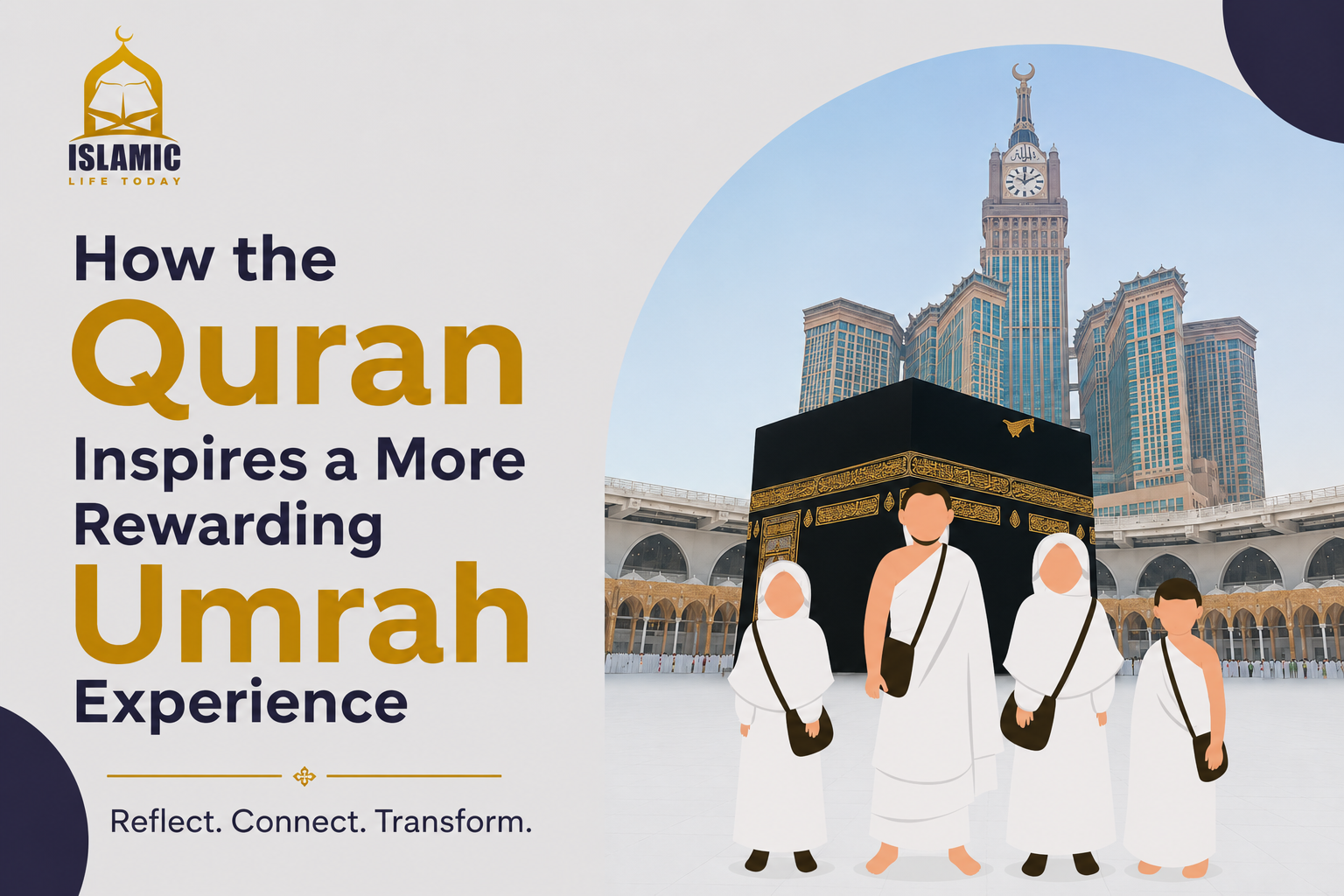
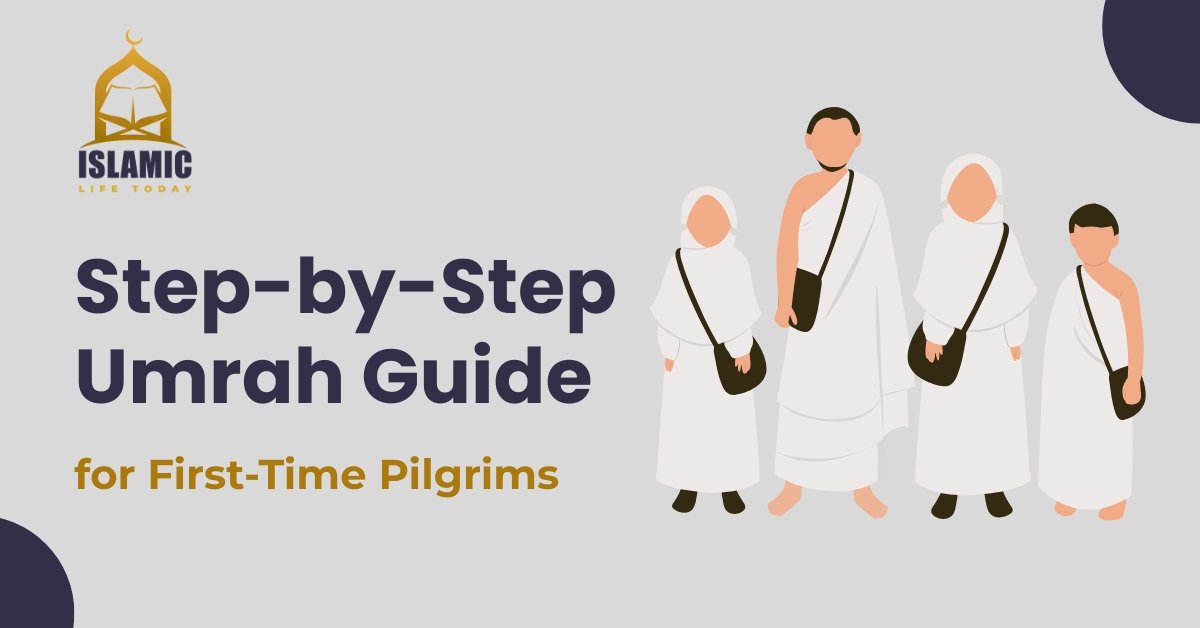
Umrah is a voluntary pilgrimage to Makkah that Muslims can perform at any time of the year, made up of four main rituals: entering Ihram, performing Tawaf around the Kaaba, walking Sa’i between Safa and Marwah, and finally cutting the hair (Halq or Taqsir). Unlike Hajj — which is obligatory once in a lifetime and only takes place during Dhul-Hijjah — Umrah is shorter, flexible, and deeply rewarding. Its global appeal keeps growing: in 2024, around 16.9 million people performed Umrah, and Saudi Arabia aims to welcome 30 million Umrah pilgrims a year by 2030.
If this is your first pilgrimage, understanding each step in advance helps you focus on worship instead of worrying about what comes next. Many UK Muslims start by choosing trusted Umrah Packages from UK providers like Islamic Travel, who arrange visas, flights, hotels and transport in one place — so you can give your full attention to the spiritual journey ahead.
What Are the Main Rituals of Umrah?
Umrah has four core rituals, performed in this order:
- Ihram — entering the sacred state with the correct clothing and intention (Niyyah).
- Tawaf — circling the Kaaba seven times.
- Sa’i — walking seven times between the hills of Safa and Marwah.
- Halq or Taqsir — shaving or trimming the hair to complete the pilgrimage.
Each ritual has its own simple rules and etiquette. Learn them once, and the whole journey becomes calm and clear.
| Plan ahead: Booking early makes a real difference, especially for popular dates. If you’re comparing Umrah Packages 2027 UK options, look closely at the hotel’s distance to the Haram, what’s included in the visa and transport, and the cancellation policy before you pay. Good planning now means a smoother, more peaceful trip later. |
Step 1: Entering Ihram
The rituals of Umrah begin with entering Ihram — a sacred state that needs both physical preparation and a sincere intention.
How to enter Ihram:
- Wear the prescribed clothing.
- Men: two white, unstitched pieces of cloth — one draped over the shoulders, the other wrapped around the waist.
- Women: there is no fixed colour, but clothing should be modest and loose (such as an abaya), covering the whole body except the face and hands.
- Perform wudu and stay clean and tidy.
- Make a sincere intention (Niyyah) for Umrah.
- Recite the Talbiyah: “Labbayk Allahumma Umrah” — “Here I am, O Allah, to perform Umrah.”
While in Ihram, avoid prohibited actions such as using perfume, cutting hair or nails, and engaging in arguments. The intention is made before crossing the boundary point known as the Meeqat.
Step 2: Performing Tawaf
Tawaf is the heart of Umrah — circling the Kaaba seven times in an anti-clockwise direction.
How to perform Tawaf:
- Begin at the Hajar al-Aswad (the Black Stone) corner. Touch or kiss it if you can; if it’s crowded, simply raise your hand toward it and say “Bismillah, Allahu Akbar.”
- Complete seven full circuits around the Kaaba.
- Afterwards, pray two rak’ah at Maqam Ibrahim if possible (or anywhere in the mosque if it’s busy), then drink Zamzam water.
- Keep your focus on prayers, dhikr and personal duas throughout.
Stay patient and avoid pushing others during busy times. Tawaf carries deep meaning — millions circling the Kaaba together is a powerful symbol of unity in the worship of one Allah.
Step 3: Sa’i Between Safa and Marwah
Sa’i recalls the desperate search of Hajar (A.S) for water for her son. You walk seven times between the hills of Safa and Marwah.
How to perform Sa’i:
- Begin at Safa.
- Walk to Marwah — this counts as one trip.
- Repeat until you have completed seven trips in total.
- Women walk at a normal pace; men jog gently between the two green markers, following Hajar’s (A.S) search.
- Continue dhikr, Qur’an recitation and personal duas as you go.
Carry water, especially for children and elderly pilgrims. Remember, this is worship, not a race — keep a steady, comfortable pace.
Step 4: Halq or Taqsir (Cutting the Hair)
The final ritual completes your Umrah:
- Men: shave the head completely (Halq) or trim the hair (Taqsir).
- Women: trim a small portion, about a fingertip’s length.
Once this step is done, you may exit the state of Ihram — your Umrah is complete.
Important Rules to Follow During Umrah
Following the correct etiquette keeps your pilgrimage valid and spiritually fulfilling. First-time pilgrims often slip up simply through lack of knowledge, so keep these essentials in mind:
- Respect the state of Ihram and its restrictions.
- Maintain cleanliness and modesty at all times.
- Follow each ritual’s correct etiquette and order.
- Be considerate and patient with the crowds, especially in peak seasons.
- Follow local guidelines and security instructions.
- Look after your health and stay hydrated.
- Keep your travel documents safe, and make digital copies for emergencies.
- Avoid distractions like shopping or excessive photography during worship.
If you’d like to perform Umrah in the holiest month, you can book Ramadan Umrah deals in the UK with Islamic Travel.
Tips for First-Time Pilgrims
- Book early, particularly for Ramadan and other peak dates.
- Choose your package carefully — look for comfortable accommodation, good flights and on-the-ground guidance.
- Pack light. You’ll walk long distances in Makkah and Madinah, so keep luggage manageable and water handy.
- Learn the rituals in advance so you can focus on worship, not logistics.
- Stay calm and present. Patience and a clear mind turn a tiring trip into a meaningful one.
- Follow health guidelines and the etiquette of the Haram throughout.
Frequently Asked Questions (FAQs)
Umrah has four main rituals, performed in order: entering Ihram, Tawaf around the Kaaba, Sa’i between Safa and Marwah, and Halq or Taqsir (cutting the hair).
Yes. Umrah can be performed throughout the year, except during the specific days of Hajj.
The rituals usually take a few hours. Most pilgrims stay several days to pray, rest, and visit Madinah.
Men wear two white, unstitched cloths. Women wear modest, loose clothing of any colour that covers the whole body except the face and hands.
Tawaf is performed anti-clockwise, starting and ending at the Black Stone (Hajar al-Aswad), for seven complete circuits.
Begin Your Journey With Confidence
For first-time pilgrims, Umrah can feel overwhelming — but with preparation, guidance and patience, it becomes a memorable, life-changing act of worship. When you understand every step, from Ihram and Tawaf to Sa’i and the final trim, you can begin your journey with clarity and a calm heart.
Ready to go? Explore flexible Umrah packages from the UK with Islamic Travel and let our team handle the details while you focus on your worship.