
If you’ve ever dreamed of visiting Makkah, you’ve probably wondered, what exactly are the steps of Umrah? Umrah is often described as a “mini pilgrimage,” but don’t let its shorter duration fool you—it’s a journey filled with immense spiritual rewards and deeply personal reflection. Unlike Hajj, which is obligatory and has specific dates in the Islamic calendar, Umrah can be performed any time of the year.
Performing Umrah allows Muslims to cleanse their hearts, seek forgiveness, and strengthen their connection with Allah. But to truly benefit from this sacred journey, it’s crucial to understand the Umrah steps and perform each act correctly, both physically and spiritually.
Preparing for Umrah
Before you even step foot in Makkah, preparation is key. Think of it as packing for a spiritual marathon—you need both your body and soul ready for the journey ahead.
Spiritual Preparation
Start by purifying your intentions. Umrah is not just about visiting holy sites; it’s about connecting with Allah on a deeper level. Spend time in prayer, repentance, and reflection. Leave behind grudges, unnecessary worries, and worldly distractions—because your heart should be as light as your luggage.
Physical and Logistical Preparation
Plan your trip meticulously. Ensure your documents, vaccinations, and accommodations are in order. Familiarize yourself with the rituals, routes, and timings inside the Haram. Pack comfortable shoes, simple clothing, and your Ihram garments. Remember, this is a journey that involves walking long distances, so physical readiness matters.
Step 1 – Entering the State of Ihram
The first formal step in Umrah is donning the Ihram, a simple yet symbolic attire that signifies purity and equality.
What is Ihram
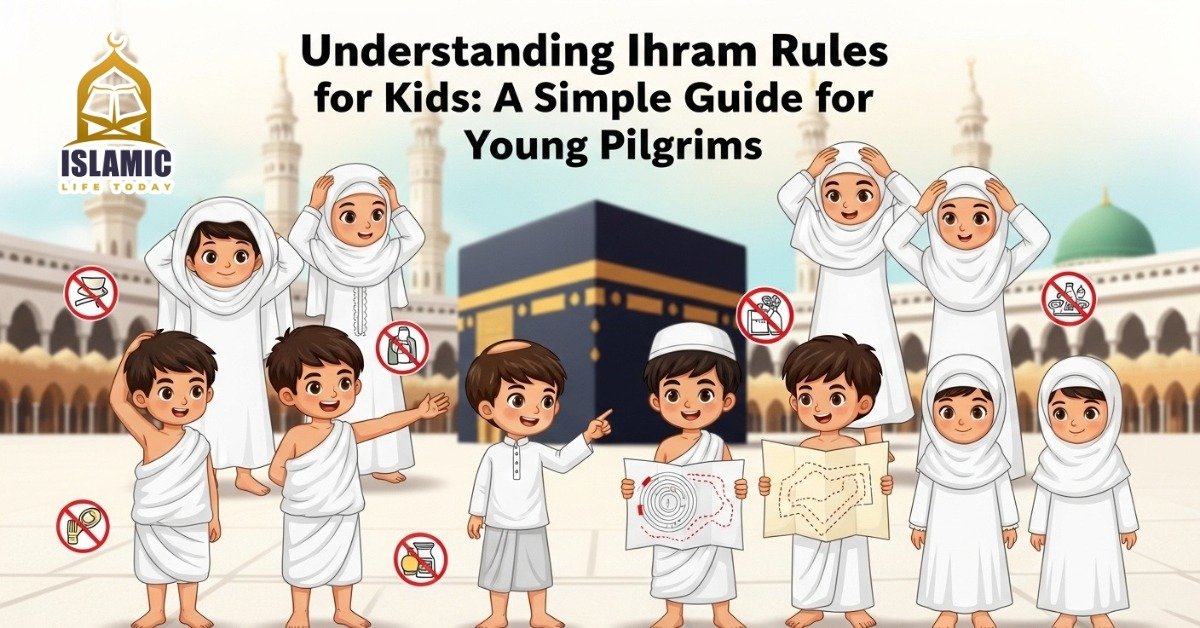
Ihram isn’t just clothing; it’s a sacred state. For men, it’s two white unstitched sheets; for women, modest, simple clothing that covers the entire body. Beyond attire, Ihram also requires mental and spiritual preparation—it’s a state of devotion and discipline.
How to Wear Ihram
Men drape one sheet around the waist and the other over the shoulder. Women simply wear modest attire, usually their everyday clothing covering everything except the face and hands. Once you put on Ihram, your journey officially begins.
Important Rules and Restrictions in Ihram
While in Ihram, certain activities are prohibited: cutting hair or nails, arguing, using perfumes, harming animals, or engaging in intimate relations. These rules aren’t restrictions—they’re reminders to focus entirely on spiritual growth. Think of Ihram as a protective cocoon, shielding your soul from worldly distractions.
Step 2 – Niyyah and Talbiyah
This step involves making a sincere intention for Umrah (Niyyah) and proclaiming your devotion aloud by reciting the Talbiyah.
Making the Intention (Niyyah) for Umrah
Once in Ihram, the next step is making a sincere intention (Niyyah) for performing Umrah. Simply put, you’re telling Allah, “I am here to perform Umrah purely for Your pleasure.”
Reciting the Talbiyah with Devotion
After your Niyyah, pilgrims recite the Talbiyah repeatedly:
“Labbaik Allahumma Labbaik, Labbaik La Shareeka Laka Labbaik…”
This chant is a beautiful declaration of your presence and devotion, echoing through the streets of Makkah as a spiritual anthem of unity and submission. Repeat it with focus, letting each word resonate deeply in your heart.
Step 3 – Tawaf (Circumambulation of the Kaaba)
Tawaf is the act of walking seven times around the Kaaba in devotion, seeking closeness to Allah and offering heartfelt prayers.
How to Perform Tawaf
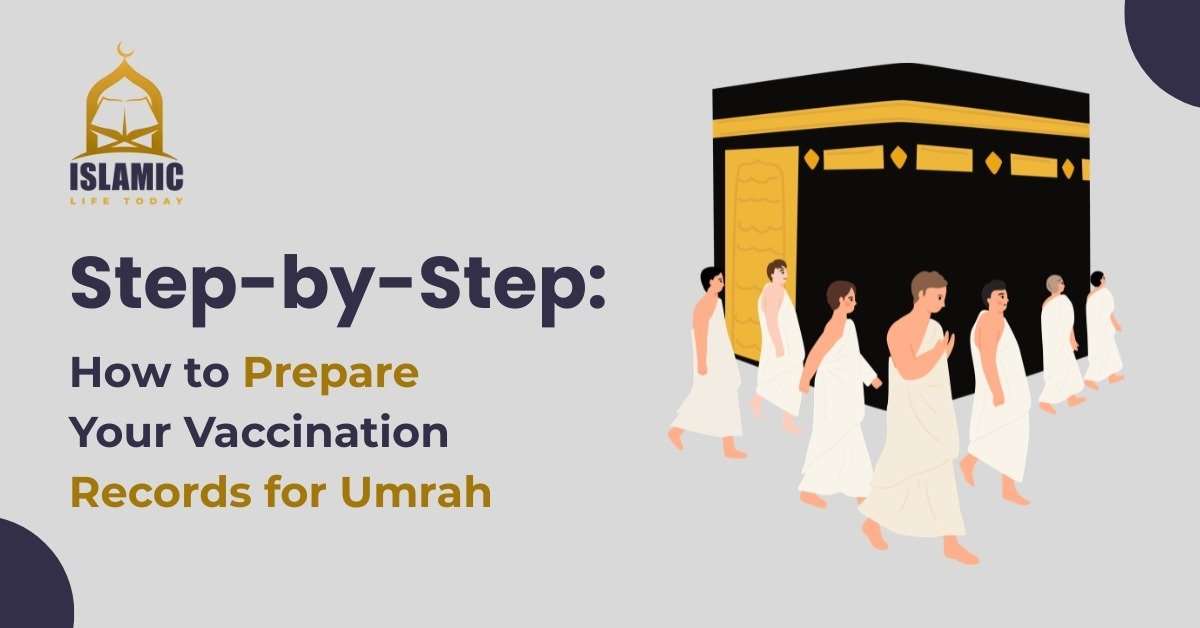
The Tawaf is one of the most iconic rituals of Umrah. Pilgrims circle the Kaaba seven times in a counterclockwise direction. Begin at the Black Stone, attempting to kiss or touch it if possible; otherwise, simply point and say a prayer.
Number of Rounds and Duas to Recite
Seven rounds are mandatory. While walking, recite your own personal prayers or traditional supplications. Many pilgrims ask for forgiveness, guidance, and blessings for their families. Imagine walking around the Kaaba, feeling as if the whole world fades, leaving only you and your Creator.
Tips for First-Timers
Stay calm, don’t rush, and be patient with the crowds. Wear comfortable shoes, keep your belongings minimal, and maintain focus. Remember, Tawaf is a spiritual experience, not a race.
Step 4 – Sa’i Between Safa and Marwah
Sa’i involves walking seven times between the hills of Safa and Marwah, commemorating Hagar’s faith and perseverance while seeking Allah’s blessings.
The Historical and Spiritual Significance
Sa’i commemorates Hagar’s search for water for her son Ishmael. It’s a ritual filled with emotion and devotion, symbolizing perseverance, faith, and trust in Allah.
Step-by-Step Guide for Sa’i
Walk seven times between the hills of Safa and Marwah. Each trip counts as one lap, starting at Safa and ending at Marwah. You can pray silently or recite supplications aloud.
Common Mistakes to Avoid
Avoid running unnecessarily, losing focus, or treating Sa’i mechanically. Every step should remind you of Hagar’s patience and Allah’s mercy.
Step 5 – Shaving or Trimming Hair (Tahallul)
Tahallul marks the completion of Umrah rituals, symbolizing spiritual renewal by shaving or trimming the hair as an act of humility and devotion.
Importance of Tahallul
After completing Tawaf and Sa’i, pilgrims perform Tahallul—shaving or trimming their hair. This symbolizes spiritual renewal, humility, and freedom from worldly ties.
Rules and Recommended Practices
Men usually shave their heads or trim a portion of hair; women trim a small portion. Remember, this act completes the Umrah rituals, representing both inner and outer purification.
Additional Sunnah Acts During Umrah
These are recommended practices like praying at Maqam Ibrahim, drinking Zamzam water, and offering extra prayers to enhance the spiritual rewards of Umrah.
Praying at Maqam Ibrahim
Offer two units of prayer at Maqam Ibrahim, the spot where Prophet Ibrahim (AS) stood while building the Kaaba. It’s a highly recommended Sunnah that brings immense blessings.
Drinking Zamzam Water
Zamzam water is not just refreshing—it’s spiritually significant. Drink it with gratitude and pray sincerely. Its blessings are legendary, and drinking it during Umrah multiplies your rewards.
Offering Optional Prayers
Performing extra prayers inside the Haram amplifies your connection with Allah. The more you engage in voluntary worship, the deeper your spiritual experience becomes.
Common Mistakes Pilgrims Make During Umrah
This highlights frequent errors like rushing rituals, losing focus, or neglecting etiquettes that can reduce the spiritual benefits of Umrah.
Avoiding Distractions and Rushing
Many pilgrims focus too much on completing rituals quickly. But Umrah is about quality over quantity. Take your time, reflect on each step, and savor the spiritual journey.
Understanding the Etiquettes
Being patient with fellow pilgrims, respecting the sacred spaces, and maintaining humility are crucial. Disrespecting these etiquettes can diminish the spiritual reward.
Tips for a Smooth Umrah Experience
Practical advice on staying healthy, managing time, and maintaining focus to ensure a serene and spiritually fulfilling Umrah journey.
Staying Hydrated and Healthy
Walk smart, drink Zamzam water, and take short breaks when needed. Your body is the vessel for your spiritual journey—treat it well.
Time Management Inside the Haram
Plan your Tawaf and Sa’i at quieter times if possible. Avoid peak hours to ensure a more serene experience.
Maintaining Focus and Spirituality
Constantly remind yourself why you’re there. Avoid excessive distractions from phones or social media. Every moment in the Haram is precious.
Frequently Asked Questions (FAQs)
Yes, unlike Hajj, Umrah can be performed any time of the year as long as you follow the proper steps.
No. Women wear modest clothing that covers the entire body except the face and hands, while men wear two unstitched white sheets.
Depending on crowd density and your pace, Umrah can be completed in a few hours, though spiritual reflection may take longer.
Yes. The correct order is first Tawaf, then Sa’i, followed by Tahallul (shaving/trimming hair).
Yes, you can drink Zamzam water at any time during your Umrah, but it is recommended to drink it with intention and prayer.
Conclusion
Performing Umrah is a transformative spiritual experience. Following the Umrah steps—from Ihram to Tawaf, Sa’i, and Tahallul—helps you connect deeply with Allah, cleanse your soul, and gain immense rewards. Remember, this journey isn’t just a ritual; it’s an opportunity to rejuvenate your heart, strengthen your faith, and return home spiritually enriched.