
If you’ve ever wondered what is Ramadan, why it holds such deep meaning for Muslims, or why millions of people around the world willingly fast from dawn to sunset for an entire month—then you’re in the right place.
Ramadan isn’t just about staying hungry or thirsty. It’s about the heart, the soul, discipline, gratitude, and reconnecting with purpose. Think of it as a spiritual reset button—a time when life slows down just enough to focus on what truly matters.
Let’s explore Ramadan together in a simple, human way.
What Is Ramadan? A Simple Introduction
Ramadan is the holiest month in Islam, observed through fasting, prayer, and self-reflection to strengthen faith and spiritual discipline.
Meaning of the Word “Ramadan”
The word Ramadan comes from the Arabic root “ramida,” which means scorching heat or dryness. Symbolically, it reflects how sins are burned away through fasting, prayer, and sincere repentance.
So when someone asks what is Ramadan, the simplest answer is:
Ramadan is the ninth month of the Islamic lunar calendar, dedicated to fasting, prayer, self-reflection, and spiritual growth.
When Does Ramadan Occur?
Ramadan follows the Islamic lunar calendar, which means its dates shift about 10–11 days earlier each year. It begins when the new crescent moon is sighted and lasts 29 or 30 days.
This moving nature of Ramadan allows Muslims to experience fasting in different seasons—sometimes long summer days, sometimes short winter ones.
The Spiritual Significance of Ramadan in Islam
Fasting holds deep spiritual importance as a sacred time for purification of the soul, increased worship, and seeking Allah’s mercy and forgiveness.
Ramadan as a Month of Mercy and Forgiveness
Ramadan is often described as a month of:
- Mercy
- Forgiveness
- Freedom from Hellfire
Muslims believe that during Ramadan, the doors of Paradise are opened, the doors of Hell are closed, and Satan is restrained. It’s like the spiritual noise is turned down, allowing the soul to breathe.
Why Ramadan Is Considered the Holiest Month
This is the month when the Quran was revealed to Prophet Muhammad ﷺ. That alone makes Ramadan unmatched in spiritual value.
It’s not just another month—it’s a divine invitation to reconnect with Allah.
What Is Fasting (Sawm) in Ramadan?
Fasting (Sawm) in Ramadan means abstaining from food, drink, and negative behavior from dawn to sunset to develop self-discipline and spiritual awareness.
What Does Fasting Include?
Fasting in Ramadan, known as Sawm, means abstaining from:
- Food
- Drink
- Smoking
- Intimacy
From dawn (Fajr) until sunset (Maghrib).
But here’s the part many people miss—fasting isn’t only physical.
Muslims are also expected to:
- Avoid lying and gossip
- Control anger
- Stay away from negative behavior
In short, the tongue fasts, the eyes fast, and even the heart fasts.
What Breaks the Fast?
Eating or drinking intentionally breaks the fast. However, forgetfulness is forgiven—Islam emphasizes mercy, not hardship.
Why Do Muslims Fast During Ramadan?
Muslims fast during Ramadan to obey Allah’s command, strengthen their faith, and develop patience, self-control, and empathy for others.
Obedience to Allah
One of the clearest reasons Muslims fast is because Allah commands it in the Quran:
“O you who believe, fasting has been prescribed for you as it was prescribed for those before you, so that you may attain righteousness.” (Quran 2:183)
So fasting is an act of love, obedience, and trust.
Developing Self-Control and Discipline
Fasting trains the soul.
Imagine your desires as wild horses. Fasting month teaches you how to gently hold the reins. Hunger reminds Muslims that they are more than their cravings.
The Purpose of Ramadan Beyond Hunger
Beyond abstaining from food, Fasting month aims to purify the heart, strengthen spirituality, and nurture compassion, gratitude, and self-discipline.
Spiritual Growth and Inner Peace
Ramadan clears mental clutter. With fewer distractions, people pray more, reflect more, and feel closer to God.
Many Muslims describe Fasting month as a time when:
- Faith feels lighter
- Prayers feel deeper
- The heart feels calmer
Building Empathy for the Poor
Hunger builds empathy. When you feel even a fraction of what the poor feel daily, generosity naturally increases.
That’s why charity (Zakat and Sadaqah) skyrockets during Ramadan.
Daily Life of Muslims During Ramadan
During Ramadan, Muslims structure their daily routine around fasting, prayer, Quran recitation, charity, and mindful living from dawn to sunset.
Suhoor: The Pre-Dawn Meal
Before dawn, Muslims eat Suhoor, a light but blessed meal. The Prophet ﷺ encouraged it, calling it a source of blessing.
Think of it as spiritual fuel before a long journey.
Iftar: Breaking the Fast at Sunset
At sunset, Muslims break their fast with dates and water, following the Prophet’s tradition. Families gather, mosques fill, and gratitude fills the air.
That first sip of water? It hits differently.
Special Acts of Worship in Fasting month
Ramadan encourages extra acts of worship, including Taraweeh prayers, Quran recitation, and increased devotion to strengthen spiritual connection with Allah.
Taraweeh Prayers
After night prayer, Muslims perform Taraweeh, special Ramadan prayers. Mosques echo with Quran recitation, creating a powerful sense of unity.
Reading and Reflecting on the Quran
Many Muslims aim to complete the Quran during Fasting month. But more importantly, they try to understand it.
Ramadan turns the Quran from a book on a shelf into a guide for life.
Laylatul Qadr: The Night of Power
Laylatul Qadr, the Night of Power, is a sacred night in Ramadan when prayers are highly rewarded and worship surpasses that of a thousand months.
Why This Night Is Better Than a Thousand Months
Laylatul Qadr falls in the last ten nights of Ramadan. Worship on this night is better than 83 years of worship.
It’s the ultimate spiritual jackpot—and no one wants to miss it.
Who Is Exempt From Fasting in Ramadan?
Certain groups are exempt from fasting in Fasting month, including the sick, travelers, elderly, young children, pregnant or breastfeeding women, and anyone for whom fasting may cause harm.
Travelers, Sick People, and the Elderly
Islam is practical and compassionate. Those who are:
- Sick
- Traveling
- Elderly
Can delay or skip fasting and make it up later or feed the poor.
Children and Women During Special Conditions
Children are encouraged but not obligated. Pregnant or breastfeeding women may postpone fasting if there’s risk.
Eid-ul-Fitr: The Joyful End of Ramadan
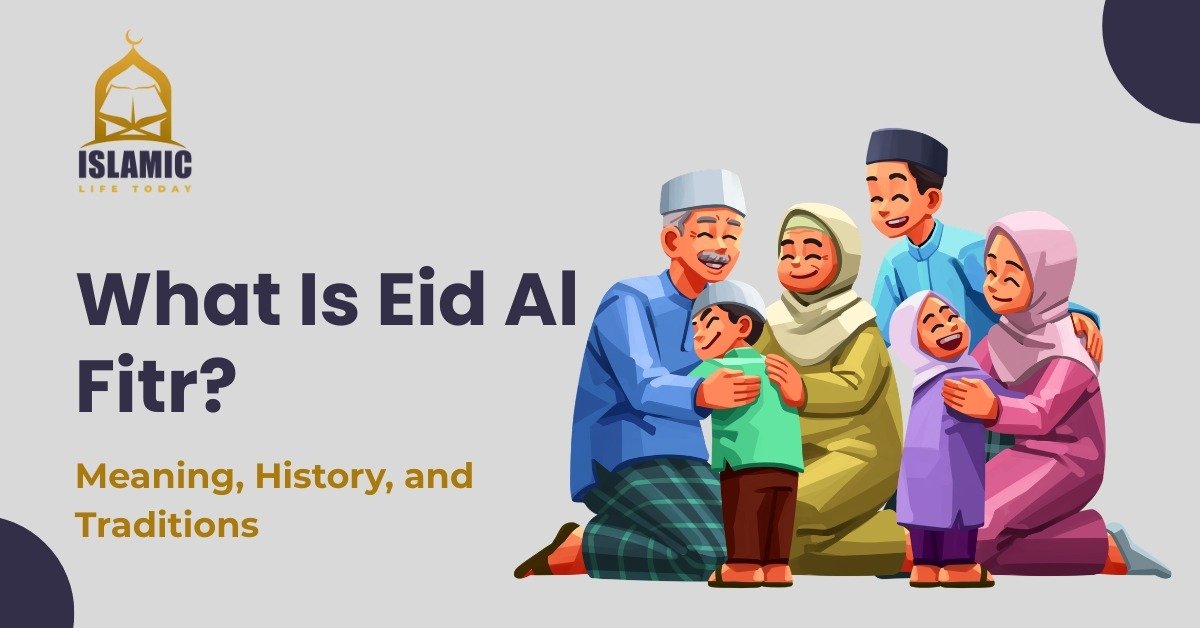
Eid-ul-Fitr marks the end of Ramadan, celebrating gratitude, community, and the completion of a month of fasting, prayer, and spiritual reflection.
Celebrating Gratitude and Community
Fasting month ends with Eid-ul-Fitr, a joyful celebration filled with prayer, charity, food, and family.
It’s not a reward for fasting—it’s a thank-you celebration.
What Is Ramadan in Today’s Modern World?
In today’s fast-paced world, Ramadan serves as a time to slow down, reflect, practice discipline, and foster empathy, generosity, and spiritual connection.
Ramadan for Non-Muslims to Understand
In today’s fast-paced world, Ramadan reminds people to slow down. Even non-Muslims admire the discipline, generosity, and community spirit it fosters.
Understanding what is Fasting month builds respect, empathy, and harmony across cultures.
Frequently Asked Questions (FAQs)
Ramadan is a holy month in Islam where Muslims fast, pray, and focus on spiritual growth.
Muslims fast to obey Allah, gain self-discipline, and grow spiritually.
Yes, many non-Muslims try fasting or join iftar meals to experience Ramadan.
When done properly, fasting in Ramadan is safe and even beneficial for many people.
They can make it up later or offer charity if unable.
Conclusion:
Ramadan is more than a ritual—it’s a transformation.
It teaches patience in a rushed world, gratitude in a consumer culture, and faith in uncertain times. Whether you’re Muslim or simply curious, understanding Fasting month opens the door to deeper human connection.
At islamiclifetoday.com, we believe learning about faith should feel warm, human, and meaningful—and Ramadan embodies all of that.