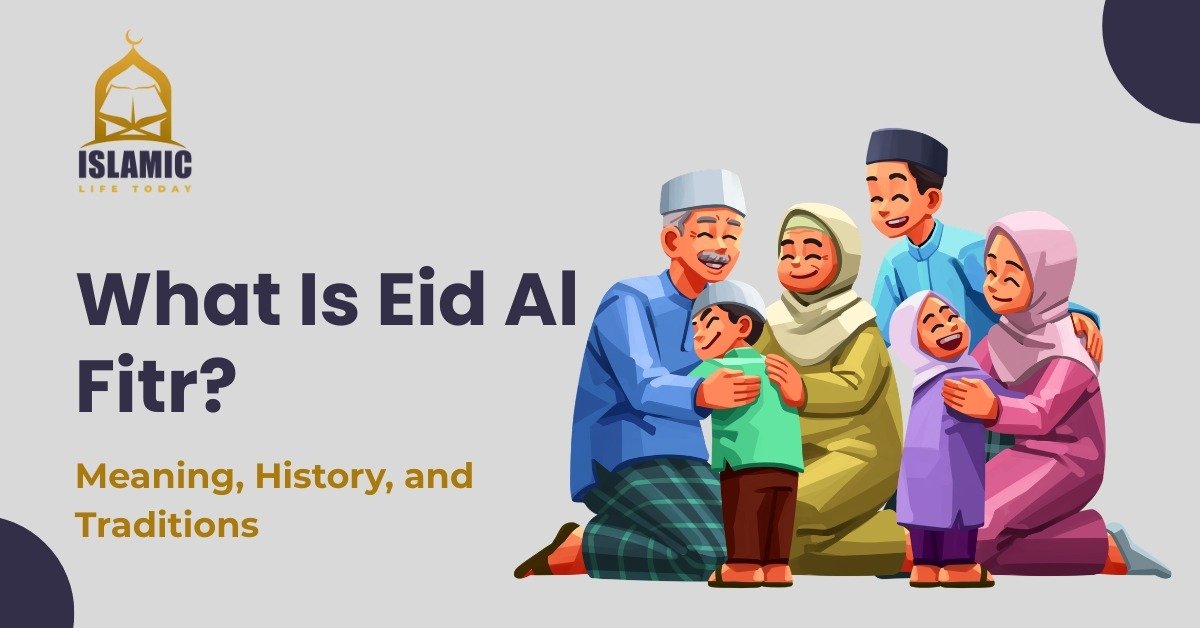
Eid Al Fitr is one of the most cherished celebrations in the Islamic calendar. But what exactly is Eid Al Fitr? At its core, it’s more than just a festive holiday—it’s a time of gratitude, reflection, and communal joy. After a month of fasting, spiritual growth, and self-discipline during Ramadan, Muslims worldwide come together to celebrate this special day with prayers, feasting, and social gatherings. Imagine the relief and joy after completing a month of dawn-to-sunset fasting, followed by heartfelt prayers and shared laughter with loved ones—that’s the essence of Eid Al Fitr.
Why Eid Al Fitr Is Important in Islam
Ei Fitr is not just a day of celebration—it holds profound religious importance. It marks the end of Ramadan, the holy month of fasting, and symbolizes spiritual renewal. For Muslims, it’s a time to express gratitude to Allah for the strength to fast, to reflect on personal growth, and to seek forgiveness and blessings for the year ahead. Think of it as both a spiritual checkpoint and a social festival rolled into one.
The Emotional and Spiritual Significance
Emotionally, Eid Fitr is a time of joy, family bonding, and community connection. Spiritually, it represents humility, gratitude, and compassion. By giving charity, visiting family, and strengthening social ties, the essence of Eid is deeply tied to Islamic values. It’s like hitting the reset button on your spiritual and social life, blending faith with celebration.
The Meaning of Eid Al Fitr
A joyful festival marking the end of Ramadan, celebrating gratitude, spiritual growth, and the completion of fasting.
Literal Translation and Religious Context
The phrase “Eid Al Fitr” translates to “Festival of Breaking the Fast.” It perfectly captures the essence of the celebration: marking the conclusion of Ramadan, a month-long fast observed from dawn to sunset. But beyond the literal meaning, Eid Al Fitr is a manifestation of gratitude, unity, and joy in the Islamic tradition.
Eid Al Fitr as a Celebration of Fasting Completion
Fasting during Ramadan is not only about abstaining from food and drink—it’s about spiritual discipline, empathy for the less fortunate, and personal growth. Eid Al Fitr, therefore, is the culmination of these efforts. Imagine a marathon runner finally crossing the finish line, exhausted but elated—that’s the feeling Muslims experience when celebrating Eid after a month of fasting.
Historical Background of Eid Al Fitr
Tracing back to the time of Prophet Muhammad (peace be upon him), Eid Al Fitr began as a day of gratitude, prayer, and community celebration.
Origins During Prophet Muhammad’s Time
Eid Al Fitr has its roots in the time of Prophet Muhammad (peace be upon him). Historical accounts reveal that the Prophet instituted this festival as a day of gratitude, prayers, and community gatherings. It was designed to reward Muslims for their dedication during Ramadan and to remind them of the importance of charity, family, and community.
Early Traditions and Practices
In the early days, Muslims would begin Eid celebrations with a special prayer, followed by communal meals, charity giving, and visiting neighbors and family. The essence of Eid has remained unchanged over centuries: a blend of worship, joy, and social bonding.
The Significance of Ramadan in Eid Al Fitr
Eid Al Fitr celebrates the spiritual growth, discipline, and compassion cultivated during the month of Ramadan.
The Role of Fasting in Spiritual Growth
Fasting during Ramadan is more than a ritual—it’s a transformative practice that instills discipline, empathy, and mindfulness. Abstaining from food, drink, and other indulgences helps Muslims focus on spirituality and connect with those less fortunate. Eid Al Fitr is the natural extension of this spiritual journey—a day to celebrate the inner growth achieved through fasting.
Connecting Ramadan to Eid Celebrations
Ramadan and Eid are inseparable. The former sets the stage for spiritual cleansing, while the latter celebrates the reward. Think of Ramadan as the preparation, and Eid as the grand finale—the perfect time to rejoice and share blessings with others.
Key Rituals of Eid Al Fitr
Includes performing the special Eid prayer, giving charity (Zakat al-Fitr), and sharing greetings and joy with family and the community.
Performing the Eid Prayer
The central ritual of Eid is the special congregational prayer, known as Salat al-Eid. Held in mosques or open fields, it’s a moment of unity and devotion. Muslims dress in their finest clothes, gather in large numbers, and perform a prayer that includes additional takbirs, praising Allah for the blessings of Ramadan.
Giving Zakat al-Fitr (Charity Before Eid Prayer)
Another essential aspect of Eid Al Fitr is Zakat al-Fitr, a form of charity given before the Eid prayer. This act ensures that the needy can participate in the celebrations. It’s a beautiful reminder that Eid is not just personal joy—it’s communal happiness.
Greeting Family, Friends, and the Community
After prayers, Muslims greet each other with phrases like “Eid Mubarak” (Blessed Eid). Visiting relatives, neighbors, and friends is common, creating a strong sense of community. Picture neighborhoods filled with laughter, hugs, and shared meals—a true celebration of togetherness.
Traditional Foods and Sweets of Eid
Delicious dishes and sweets enjoyed during Eid bring families together and celebrate the festive spirit of the occasion.
Popular Dishes Around the World
Food plays a central role in Eid celebrations. From sweet delicacies like Sheer Khurma and Baklava to savory dishes like Biryani and Kebabs, each region brings its unique flavor. The aroma of freshly baked sweets and cooked feasts fills homes, symbolizing joy and abundance.
The Role of Food in Cultural and Family Bonding
Sharing meals during Eid is more than culinary delight—it’s a form of social bonding. Families come together to cook, serve, and enjoy dishes that connect generations and preserve traditions. Imagine the laughter around the dining table, stories shared over dessert, and the warmth of familial love—it’s all part of Eid’s magic.
Cultural Traditions and Celebrations
Unique customs, clothing, and community gatherings around the world make Eid a vibrant and meaningful celebration.
Clothing and Dressing Up for Eid
New or special clothes are a hallmark of Eid. Men, women, and children dress in their finest outfits, often in traditional attire, to honor the celebration. Wearing new clothes symbolizes spiritual renewal and joy—a visual representation of the festive spirit.
Community Festivals and Gatherings
Many communities organize fairs, parades, and public events to celebrate Eid. These gatherings often include games, performances, and cultural showcases. It’s a day where faith meets festivity, and communities strengthen bonds through shared experiences.
Differences in Celebrations Across Countries
While the core religious rituals remain the same, cultural expressions of Eid vary worldwide. In Indonesia, lantern festivals light up the night; in Egypt, special sweets like Kahk are baked; in Pakistan and India, families exchange gifts and attend large feasts. This diversity reflects Islam’s universal reach and adaptability.
Modern Eid Practices
Today, Eid is celebrated with digital greetings, online charity, and new social traditions while preserving its spiritual essence.
Social Media and Online Greetings
In today’s digital age, Eid greetings extend to social media platforms. Friends and relatives send heartfelt messages, share photos, and livestream prayers. Technology has created new ways to maintain connections, even across continents.
Globalization and New Traditions
With global communities and migration, Eid has also adapted to modern lifestyles. Brunches, themed parties, and online charity drives are becoming common. Yet, even with modern innovations, the essence of gratitude, prayer, and community remains at the heart of Eid.
Common Misconceptions About Eid Al Fitr
Many people misunderstand Eid as just a holiday, overlooking its deep spiritual, charitable, and communal significance.
Eid as Only a “Holiday” vs. Spiritual Significance
Many people outside the Muslim community see Eid as just a festive holiday with food and gifts. But in reality, it’s deeply spiritual—a day of reflection, charity, and communal harmony. Understanding this dual aspect helps appreciate Eid’s true value.
Misunderstandings in Non-Muslim Communities
Some misconceptions include thinking Eid is celebrated the same way worldwide or that it’s purely about gifts and sweets. Educating others about the prayers, charity, and historical context fosters respect and cultural awareness.
How to Celebrate Eid Al Fitr Mindfully
Balance prayer, charity, and joyful gatherings to honor the spiritual and social essence of Eid.
Balancing Spiritual and Social Aspects
To truly honor Eid, one should balance festivity with spirituality. Start the day with prayer and reflection, give charity, then enjoy social gatherings and meals. It’s like balancing a scale—you don’t want one side heavier than the other.
Tips for Families and Individuals
Plan ahead: cook traditional dishes, wear special clothes, and schedule visits. Involve children in charitable acts to instill values. Most importantly, savor the moments—laugh, share stories, and strengthen bonds with loved ones.
Frequently Asked Questions (FAQs)
Eid Al Fitr is the festival that marks the end of Ramadan, celebrated to express gratitude for spiritual growth and communal joy.
Eid Al Fitr falls on the first day of Shawwal, the month following Ramadan, determined by the sighting of the new moon.
Popular dishes include Sheer Khurma, Biryani, Baklava, Kebabs, and regional sweets like Kahk in Egypt or Seviyan in South Asia.
While prayers and charity are universal, celebrations vary culturally—festivals, sweets, clothing, and communal gatherings reflect local traditions.
Guests can join in prayers at mosques, share meals with Muslim friends or neighbors, and respect the traditions of charity, greeting, and community bonding.
Conclusion
Eid Al Fitr is far more than a day of celebration—it’s a spiritual milestone, a community gathering, and a festival of gratitude. From its historical roots during Prophet Muhammad’s time to the modern-day digital greetings and global celebrations, Eid continues to unite Muslims worldwide. Whether through prayer, charity, or joyful feasts, Eid Al Fitr embodies the values of empathy, gratitude, and love for family and community.