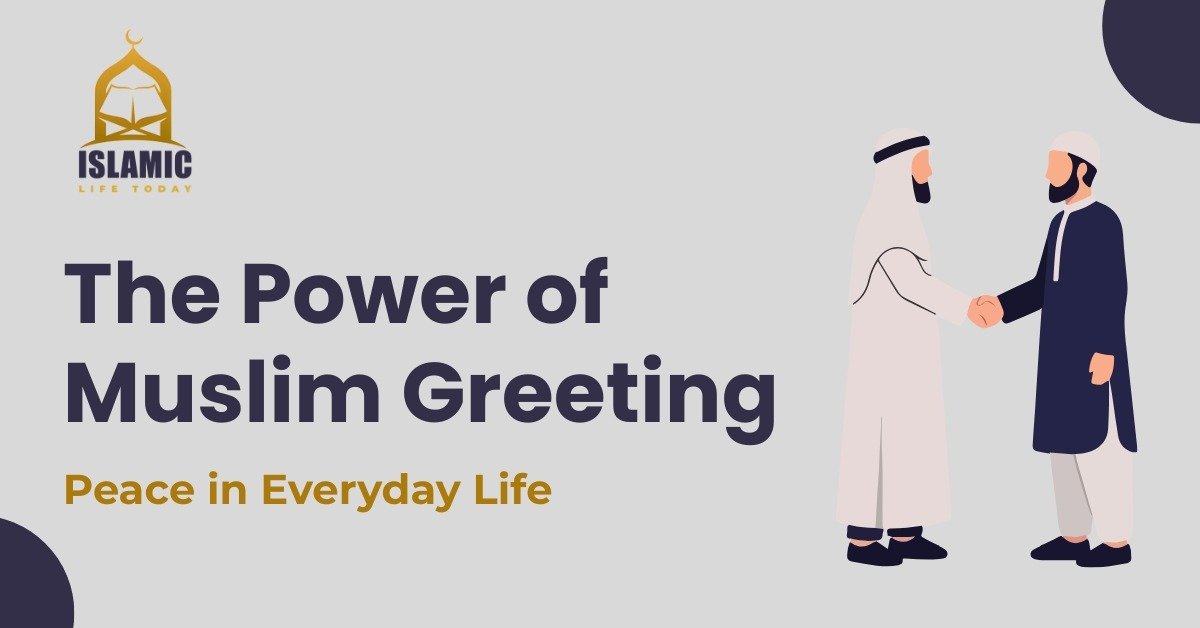
In a world full of noise, conflict, and emotional distance, something as simple as a muslim greeting carries the power to heal hearts and connect souls. It is not just a set of words; it is a message of peace, safety, and brotherhood. Every time a Muslim says or hears it, they are reminded of unity and kindness.
What Does “Muslim Greeting” Mean?
The muslim greeting refers to the Islamic way of greeting others, primarily using the phrase “Assalamu Alaikum”, which means “Peace be upon you.” This greeting is not cultural—it is deeply spiritual and rooted in Islamic teachings.
The Spiritual Foundation of Greeting in Islam
Islam places great importance on human connection. Greeting others is considered an act of worship. It reflects humility, kindness, and love for others—qualities every believer is encouraged to develop.
The Meaning Behind “Assalamu Alaikum”
A deep explanation of how “Assalamu Alaikum” expresses peace, safety, and a heartfelt prayer for well-being in Islam.
Literal Translation and Deep Significance
“Assalamu Alaikum” literally means “Peace be upon you.” But its meaning goes far beyond words. It is a prayer, a blessing, and a wish for safety and mercy upon another person.
When you say it, you are not just greeting—you are making a dua for someone’s peace.
Why Peace is Central to Islamic Communication
Islam itself comes from the root word “Salam,” meaning peace. That is why the muslim greeting always revolves around peace. It reflects the ideal that a believer should be a source of safety, not harm, for others.
The Sunnah of Spreading Greetings
An insight into how spreading greetings in Islam strengthens love, unity, and earns reward as taught in the Sunnah of the Prophet ﷺ.
Prophet Muhammad’s (PBUH) Teachings on Greeting
The Prophet Muhammad (PBUH) strongly encouraged Muslims to spread greetings. He taught that greeting others builds love and removes hatred between people. Even small acts of greeting can transform relationships.
Rewards of Saying Salam in Islam
Every time a Muslim gives salam, they earn reward. It is a simple act but carries huge spiritual value. Even entering a home or meeting a stranger becomes an opportunity for reward.
Psychological and Social Benefits of Muslim Greeting
How the Muslim greeting improves mental well-being, builds trust, and strengthens positive social connections in everyday life.
Building Trust and Brotherhood
A warm muslim greeting instantly breaks barriers between people. It builds trust and makes strangers feel safe. It is like opening a door of friendship with a single sentence.
Reducing Stress and Conflict in Society
Imagine a world where people greet each other with peace instead of ignoring or hostility. The muslim greeting reduces emotional distance and helps calm social tensions naturally.
The Etiquettes of Giving and Returning Greetings
A guide to the proper manners of giving and returning the Muslim greeting according to Islamic teachings and etiquette.
Who Should Greet First?
Islam teaches manners even in greeting. The one who is younger should greet the elder, the one who is walking should greet the one sitting, and the smaller group should greet the larger group first.
Proper Response to Salam
The response should be equal or better. If someone says “Assalamu Alaikum,” the correct reply is “Wa Alaikum Assalam,” or even better by adding blessings like “Wa Rahmatullahi Wa Barakatuh.”
The Role of Muslim Greeting in Daily Life
How the Muslim greeting brings peace, respect, and harmony into everyday interactions at home, work, and in society.
At Home and Family Relationships
A simple muslim greeting at home can change the entire atmosphere. It brings love between parents, children, and siblings. Even entering your own home becomes an act of peace.
In Workplace and Business Interactions
At work, greeting colleagues creates a friendly environment. It reduces stress and increases cooperation. A peaceful workplace always starts with respectful communication.
Among Friends and Strangers
Whether meeting friends or strangers, the greeting builds connection instantly. It shows respect, humility, and openness.
Common Mistakes in Muslim Greeting Culture
A look at the common errors people make in exchanging the Muslim greeting and how to correct them according to Islamic guidance.
Ignoring or Delaying Salam
One common mistake is ignoring greetings or responding late. This weakens relationships and removes the spirit of peace from interactions.
Using Incomplete or Incorrect Responses
Sometimes people shorten greetings or respond casually without meaning. This reduces the beauty and impact of the muslim greeting.
Muslim Greeting as a Tool for Global Peace
How the Muslim greeting promotes unity, breaks cultural barriers, and spreads a universal message of peace across the world.
Breaking Barriers Between Cultures
The message of salam is universal. It can connect people of different languages, countries, and backgrounds. Peace does not need translation—it is understood by the heart.
Promoting Unity in Diverse Societies
In multicultural societies, the muslim greeting becomes a bridge. It promotes harmony and reduces misunderstandings among people of different beliefs.
How to Revive the Culture of Muslim Greeting Today
Practical ways to bring back the Sunnah of the Muslim greeting in families, communities, and modern digital communication.
Starting with Children and Families
Teaching children to greet properly is the first step toward reviving this beautiful Sunnah. Families should practice it daily so it becomes natural.
Making It a Habit in Digital Communication
Even in messages, chats, and emails, starting with salam spreads positivity. It reminds us that peace is not limited to physical presence.
Frequently Asked Questions (FAQs)
The correct greeting is “Assalamu Alaikum,” meaning “Peace be upon you.”
It is a highly encouraged Sunnah and holds great reward, though not strictly obligatory.
Yes, non-Muslims can say it, and Muslims are allowed to respond politely and respectfully.
It brings reward from Allah, increases love between people, and strengthens community bonds.
By practicing it daily at home, work, and in public, and teaching children its importance from an early age.
Conclusion:
The muslim greeting is more than tradition—it is a lifestyle of peace. In a fast and stressful world, it slows us down just enough to remind us that kindness still matters. Every salam carries a silent prayer for safety, mercy, and love.
If we truly understand its value, we would never pass someone without saying it. Imagine a world where every meeting begins with peace—what a beautiful world that would be.