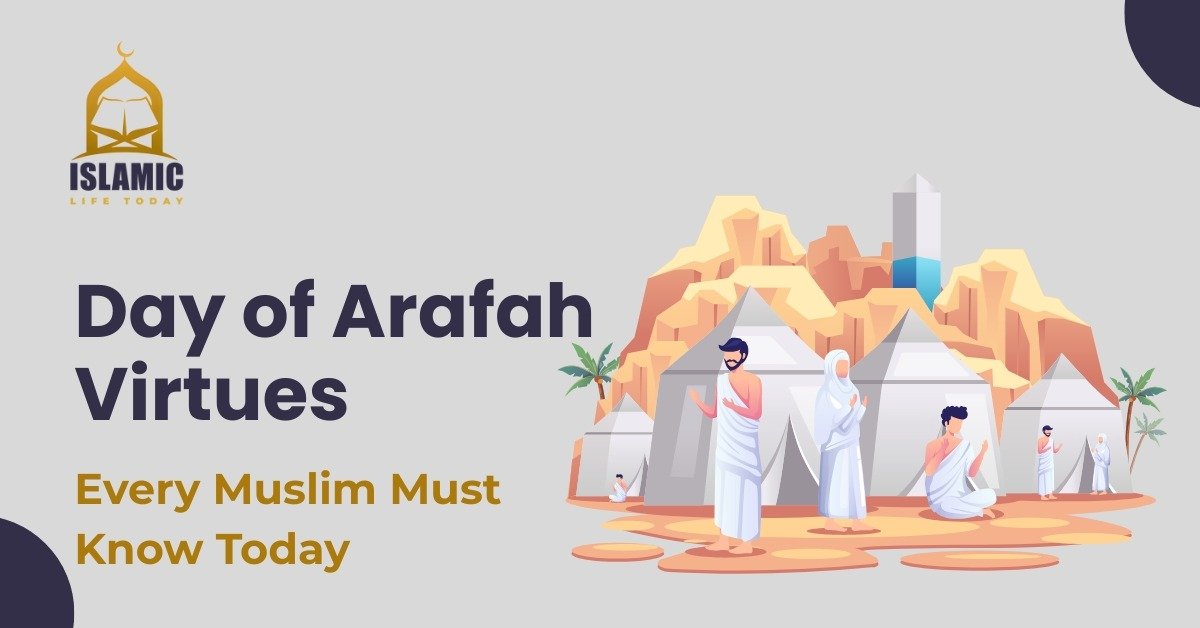
The day of arafah is not just another date in the Islamic calendar—it is one of the most powerful, emotional, and spiritually uplifting days for Muslims across the world. It falls on the 9th of Dhul Hijjah, right before Eid al-Adha, and carries immense blessings that can change a believer’s entire year, even their entire life.
For Muslims, this day feels like a spiritual crossroads where Allah’s mercy descends, forgives sins, and reconnects hearts with Him in the most beautiful way.
What is the Day of Arafah?
The day of arafah is the day when pilgrims gather on the plain of Mount Arafat during Hajj. Millions of Muslims raise their hands in prayer, seek forgiveness, and ask Allah for mercy on the Day of Standing (Wuquf), the most important day of Hajj.
Even for those not performing Hajj, this day holds equal spiritual weight and opportunity.
Why the Day of Arafah is So Special in Islam
The day of arafah is described in Islamic teachings as a day when Allah frees more people from Hellfire than any other day of the year. It is a day of mercy, forgiveness, and acceptance of prayers.
Muslims observe it as the blessed Day of Arafah, and it stands as one of the most sacred moments in the entire Islamic calendar.
Imagine it as a spiritual reset button—press it with sincerity, and your past sins can be wiped clean.
The Historical Importance of Day of Arafah
The historical importance of the Day of Arafah lies in its deep connection with the Prophet Muhammad ﷺ’s Farewell Sermon and its central role in the Hajj pilgrimage.
The Final Sermon of Prophet Muhammad (PBUH)
One of the most powerful moments in Islamic history took place on this very day. The Prophet Muhammad (PBUH) delivered his Farewell Sermon on the plains of Arafat, emphasizing justice, equality, and devotion to Allah.
It was a message for all humanity—timeless and universal.
Connection with Hajj Pilgrimage
For pilgrims, this day marks the heart of Hajj. Without standing at Arafat, the pilgrimage is incomplete. This shows just how essential the day of arafah is in Islam.
Spiritual Significance of the Day of Arafah
The spiritual significance of the Day of Arafah lies in its unmatched blessings, Allah’s forgiveness of sins, and the acceptance of sincere duas.
A Day of Forgiveness and Mercy
On this day, Allah’s mercy flows more abundantly than rain. Muslims believe that sincere repentance can wipe away sins of the past year and the coming year.
It cleans a mirror that has been clouded for too long and suddenly makes everything clear again.
A Day When Duas Are Accepted
One of the most beautiful aspects of the day of arafah is the acceptance of duas. It is a day when believers are encouraged to ask Allah for everything—guidance, health, forgiveness, and success.
Fasting on the Day of Arafah
Fasting on the Day of Arafah is a highly rewarding act that expiates the sins of the previous and coming year for those not performing Hajj.
Rewards of Fasting for Non-Pilgrims
For Muslims who are not performing Hajj, fasting on the day of arafah is highly recommended. It is a powerful act of worship that brings immense reward and forgiveness.
Hadith about Fasting on Arafah
The Prophet Muhammad (PBUH) said that fasting on this day expiates the sins of the previous year and the coming year. This makes it one of the most rewarding voluntary fasts in Islam.
The Standing at Arafat (Wuquf-e-Arafah)
The Standing at Arafat (Wuquf-e-Arafah) is the most important ritual of Hajj where pilgrims gather at Mount Arafat to pray, repent, and seek Allah’s mercy.
What Happens at Mount Arafat?
During Hajj, pilgrims gather at Mount Arafat and spend the entire day in prayer, reflection, and remembrance of Allah. There is no formal ritual—just pure worship and connection with the Creator.
The Essence of Supplication and Repentance
It is a moment where millions stand together, dressed simply, symbolizing equality before Allah. No status, no wealth—just hearts and tears.
Duas and Worship on Day of Arafah
Duas and worship on the Day of Arafah hold immense power because Allah most likely accepts sincere prayers, dhikr, and repentance on this day.
Best Supplications to Recite
On the day of arafah, Muslims are encouraged to recite heartfelt duas, especially:
- Seeking forgiveness
- Asking for guidance
- Praying for family and Ummah
- Making personal life requests
Dhikr and Istighfar Practices
Constant remembrance of Allah (Dhikr) and seeking forgiveness (Istighfar) are highly recommended. Simple phrases like Astaghfirullah and SubhanAllah carry deep spiritual weight on this day.
Lessons Every Muslim Should Learn
The Day of Arafah teaches Muslims powerful lessons of unity, humility, and complete submission to Allah.
Unity of the Ummah
The day of arafah shows how Muslims from all races and countries gather in one place, wearing the same simple clothing. It is a powerful reminder that we are all equal before Allah.
Humility and Submission to Allah
This day teaches us humility. When millions raise their hands in tears, it becomes clear that true strength lies in submission to Allah.
Common Mistakes People Make
Common mistakes on the Day of Arafah include neglecting worship, treating it like an ordinary day, and missing the chance for forgiveness and reflection.
Ignoring the Day’s Importance
Many Muslims treat this day like any ordinary day. This is a missed opportunity for immense reward.
Lack of Worship and Reflection
Spending the day in distractions instead of worship is another common mistake. The day of arafah deserves full attention and devotion.
How to Spend the Day of Arafah Properly
The Day of Arafah should be spent in fasting, prayer, Quran recitation, dhikr, and sincere duas to gain maximum blessings and forgiveness.
Simple Worship Schedule
A productive way to spend the day of arafah includes:
- Fasting (if not performing Hajj)
- Praying all five salah on time
- Making long duas after each prayer
- Reciting Quran
- Engaging in dhikr throughout the day
Acts of Charity and Good Deeds
Helping others, giving charity, and being kind to family can multiply rewards on this blessed day.
Frequently Asked Questions (FAQs)
It is the most blessed day of Hajj where Allah forgives sins and accepts duas.
Yes, fasting is highly recommended and brings great reward.
It is where pilgrims gather during Hajj and where the Prophet (PBUH) delivered his final sermon.
Fast, pray, make duas, recite Quran, and seek forgiveness.
Yes, it is mentioned as a day when sins are forgiven and duas are accepted abundantly.
Conclusion
The day of arafah is not just a religious event—it is a divine opportunity. A chance to start fresh, to erase sins, and to reconnect with Allah in the most sincere way possible. Whether you are at home or among the pilgrims at Arafat, this day carries a message of hope, mercy, and renewal.
Don’t let it pass like an ordinary day. Embrace it, live it, and let it transform your heart.