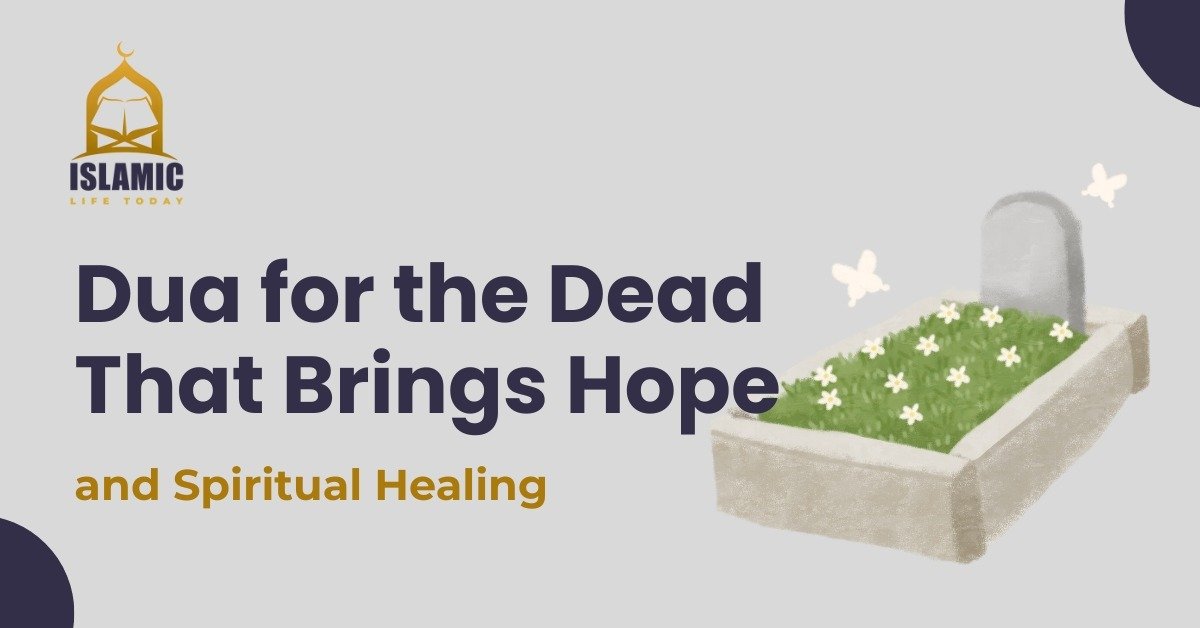
Life is a journey, and every journey has an end. At some point, we all face the pain of losing someone we love. In those moments, words often fail us, but prayer never does. This is where the power of dua for the dead becomes a source of comfort, hope, and spiritual healing.
When someone passes away, they leave behind memories, emotions, and a space that can never truly be filled. But in Islam, the bond between the living and the deceased does not end with death. It continues through prayers, forgiveness, and sincere remembrance.
Why we make dua for those who have passed away
We make dua for the dead because love does not end in the grave. It transforms into prayer, turns into mercy, and carries the hope that Allah ﷻ will forgive their shortcomings and grant them peace in the hereafter.
The emotional and spiritual importance of remembrance
When you remember someone in your prayers, you are not only helping them spiritually, but you are also healing your own heart. It is like sending light into darkness—both for them and for yourself.
What is Dua for the Dead in Islam?
In simple words, dua for the dead means asking Allah ﷻ to forgive, bless, and grant mercy to those who have passed away.
Meaning and purpose of supplicating for the deceased
The purpose is not just ritual. Rather, it is a sincere request to Allah, the Most Merciful, to ease the journey of the soul and increase their rank in the afterlife.
Connection between the living and the dead
Islam teaches that the bond of love continues even after death. Our prayers act like gifts sent to the grave—quiet, unseen, but deeply powerful.
Quranic Perspective on Praying for the Deceased
The concept of praying for others is deeply rooted in the teachings of the Holy Book.
Teachings from the Holy Quran
The Quran emphasizes mercy, forgiveness, and praying for others, especially believers who have passed away. One of the core teachings is to ask Allah for forgiveness not only for yourself but also for fellow believers.
How the Quran encourages mercy for others
Islam builds a community of compassion. When you pray for the dead, you are practicing one of the highest forms of mercy taught in Islam—extending kindness beyond life itself.
Sunnah of Prophet Muhammad ﷺ Regarding the Dead
The Prophet Muhammad ﷺ set a perfect example of how to treat the deceased with dignity, love, and prayer.
Prophetic guidance on funeral prayers
He ﷺ encouraged Muslims to attend funeral prayers and make sincere dua for forgiveness of the deceased. This act is not only a duty but a powerful spiritual connection.
Prophet Muhammad taught that when a believer prays for another believer, angels respond with similar blessings.
Importance of forgiveness and mercy
Forgiveness is central in Islam. In fact, the Prophet ﷺ repeatedly encouraged believers to ask Allah to forgive all Muslims, alive and deceased.
Powerful Duas for the Dead You Can Recite
You don’t need complicated words. Sincerity matters more than language.
Common Arabic dua for forgiveness
One of the most powerful duas is:
“Allahumma ighfir lahu warhamhu wa ‘afihi wa’fu ‘anhu.”
Meaning: O Allah, forgive him, have mercy on him, grant him peace, and pardon him.
Simple personal dua in your own words
You can also speak to Allah in your own language:
“O Allah, forgive my loved one, ease their journey, and grant them a beautiful place in Jannah.”
Example of heartfelt supplication
“Ya Allah, replace their loneliness in the grave with light, and fill their resting place with peace and mercy.”
When Should You Make Dua for the Dead?
The beautiful thing about dua is that there is no fixed time—it can be done anytime.
After Salah and at special moments
After your daily prayers is one of the most blessed times to make dua for the dead. It is a moment when hearts are soft and connection with Allah is strong.
Visiting graves and remembrance times
When visiting graves, making dua becomes even more meaningful. It reminds us of our own journey and the reality of life.
Benefits of Making Dua for the Dead
This act is not only for them—it transforms you too.
Spiritual peace for the one who has passed
Your prayer becomes a source of mercy for their soul. It is like sending continuous charity in spiritual form.
Emotional healing for the living
Grief feels lighter when you turn it into prayer. Instead of pain, you begin to feel peace and acceptance.
Common Mistakes People Make While Praying for the Dead
Even good intentions can sometimes go off track.
Misunderstanding Islamic teachings
Some people believe only scholars or specific prayers are valid. In reality, sincere dua from anyone is powerful.
Relying only on rituals without sincerity
Dua is not about repetition alone. It is about feeling, sincerity, and connection with Allah.
How Dua for the Dead Brings Hope
Hope is what keeps the heart alive even in grief.
Strengthening faith in life after death
When you pray for someone who has passed away, you are reminded that life continues beyond this world. This strengthens your belief in the hereafter.
Comfort in grief and loss
Dua becomes a bridge between sadness and peace. It tells your heart: they are gone, but not forgotten.
Frequently Asked Questions (FAQs)
The best dua is asking Allah for forgiveness, mercy, and peace for the deceased in simple or Arabic words.
Yes, you can make dua for any deceased Muslim or even humanity in general.
After salah, on Fridays, and during personal quiet moments are especially powerful times.
Yes, sincere dua brings mercy and forgiveness to the deceased by Allah’s will.
Absolutely. Sincerity matters more than language in Islam.
Conclusion
Losing someone is never easy. The pain may stay, but so can the love—and in Islam, that love is expressed through dua for the dead. It is a beautiful act that connects hearts across worlds, brings mercy to the deceased, and peace to the living.
Every time you raise your hands in prayer, you are sending a gift that never expires. So never underestimate your dua—it may be the light someone needs in their resting place.