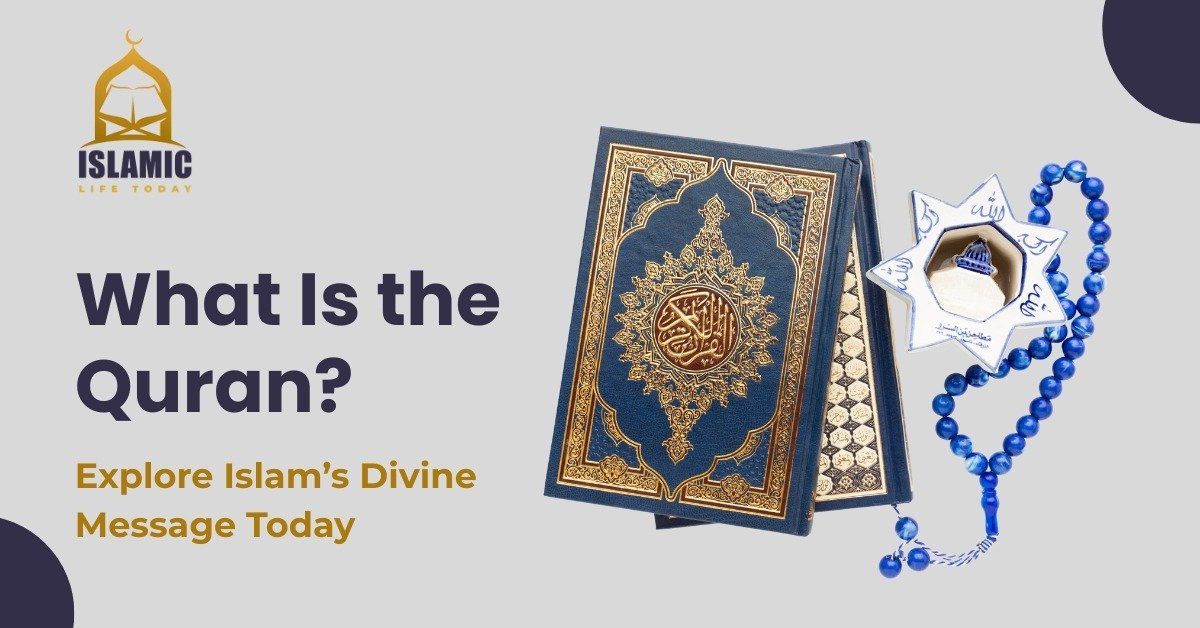
When people ask, “what is the Quran?”, they’re not just asking about a book—they’re diving into one of the most profound spiritual legacies of humanity. The Quran is the divine scripture of Islam, believed by Muslims to be the literal word of God (Allah), revealed to the Prophet Muhammad (peace be upon him) over 23 years. Whether you are curious about religion, history, or spirituality, understanding the Islamic Holy Book opens doors to a deeper appreciation of Islam’s message.
Introduction to the Quran
The Quran isn’t just another religious book. It’s considered a complete guide for living, covering spiritual, moral, social, and personal aspects of life. Imagine having a roadmap that addresses everything from ethics to personal conduct—this is what the Quran provides. For over 1.4 billion Muslims worldwide, it’s a source of comfort, guidance, and inspiration, shaping their daily lives, decisions, and worldview.
The Meaning and Definition of the Quran
So, what does “Quran” really mean? The word itself comes from the Arabic root “Qara’a”, meaning “to recite” or “to read aloud.” It emphasizes that the Islamic Holy Book is meant to be heard, recited, and internalized. But its significance goes far beyond pronunciation—it is a book of divine wisdom meant to enlighten hearts and minds. The Quran is often called “the final revelation”, complementing previous scriptures like the Torah and the Bible.
Origin and Revelation of the Quran
The story of the Quran’s revelation is fascinating. Muslims believe that it was revealed to Prophet Muhammad (PBUH) by the angel Jibreel (Gabriel), starting in 610 CE in the cave of Hira near Mecca. Over 23 years, the revelations were sent piece by piece, addressing spiritual guidance, ethical issues, and social laws. This gradual revelation helped the early Muslim community understand and apply the teachings step by step.
Structure of the Quran
The Quran is divided into 114 chapters called Surahs, which vary in length—from just a few lines to several pages. Each chapter contains verses called Ayahs, which are rhythmic, poetic, and often layered with multiple meanings. The Surahs are classified as either Meccan (revealed before Prophet Muhammad’s migration to Medina, focusing on faith and spirituality) or Medinan (revealed after the migration, focusing more on social laws and community). The structure isn’t chronological but designed to guide reflection and contemplation.
The Language and Literary Excellence of the Quran
One of the most remarkable aspects of the Quran is its language. Written in classical Arabic, its eloquence, rhythm, and precision are considered unmatched. Moreover, even those who don’t understand Arabic can feel the emotional impact through recitation. In addition, the Islamic Holy Book has influenced Arabic literature, poetry, and linguistics for centuries, inspiring scholars and artists alike. Therefore, it’s often said that no human-authored text can replicate its linguistic beauty.
Core Messages and Teachings of the Quran
At its heart, the Islamic Holy Book delivers timeless messages:
- Monotheism (Tawheed): A reminder that there is only one God.
- Ethics and Morality: Encouraging honesty, justice, compassion, and humility.
- Social Responsibility: Promoting fairness, charity, and care for the weak and needy.
These teachings aren’t abstract—they are practical, guiding daily life and decision-making. From family life to business ethics, the Quran’s guidance is all-encompassing.
The Islamic Holy Book as a Guide for Humanity
Have you ever felt lost or unsure about life’s direction? For millions of Muslims, the Quran provides clarity and solace. Its guidance nurtures spiritual growth, encourages self-reflection, and strengthens moral compass. It addresses both the mind and the heart, offering practical advice while inspiring inner peace. Many readers describe it as a lifelong mentor that answers life’s questions in ways other books cannot.
Scientific and Historical Insights in the Quran
Interestingly, the Quran also touches on phenomena that align with modern science. References to embryology, astronomy, and natural processes spark curiosity among scholars and believers alike. Additionally, it preserves historical accounts and lessons from past communities, emphasizing learning from previous human experiences. While it’s not a science textbook, these insights demonstrate the Quran’s multifaceted nature.
How Muslims Engage with the Quran
Muslims don’t just read the Islamic Holy Book —they live it. Recitation (Tilawat) is a deeply spiritual practice, and memorization (Hifz) is highly revered. Learning interpretations (Tafseer) allows readers to understand deeper meanings. Daily prayers, guidance in decisions, and moral reflection are all tied to Quranic teachings, making it a constant companion in life.
The Quran in Today’s World
Even in the digital age, the Islamic Holy Book remains highly relevant. Online Quran academies, apps, and audio recitations make learning accessible to everyone. Beyond spiritual practice, it fosters interfaith understanding and encourages ethical living. Whether it’s through study, reflection, or discussion, the Quran’s guidance continues to shape societies worldwide.
Common Misconceptions About the Islamic Holy Book
Many misconceptions surround the Quran—some believe it promotes violence or inequality. However, these claims often stem from misinterpretations or lack of context. The Islamic Holy Book emphasizes peace, justice, and moral responsibility. Understanding the text requires thoughtful study, proper interpretation, and context-based learning.
Frequently Asked Questions (FAQs)
The Quran is the holy book of Islam, believed to be the literal word of God. It guides spiritual, moral, and social aspects of life for Muslims.
Muslims believe the Islamic Holy Book was revealed to Prophet Muhammad (PBUH) through the angel Jibreel (Gabriel) over 23 years.
The Islamic Holy Book is written in classical Arabic, known for its unmatched eloquence, rhythm, and literary beauty.
Yes! Many translations exist, and reading it with context can provide insight into Islam’s message of peace, morality, and guidance.
Muslims recite, memorize, and study the Islamic Holy Book. Its teachings guide prayers, ethical decisions, personal growth, and social conduct.
Conclusion
So, what is the Quran? It’s far more than a book—it’s a living guide for life, a spiritual mentor, and a source of timeless wisdom. Its messages of faith, morality, and compassion resonate across generations. Whether you’re exploring Islam for the first time or deepening your understanding, the Islamic Holy Book offers insights that are as relevant today as they were over 1,400 years ago.