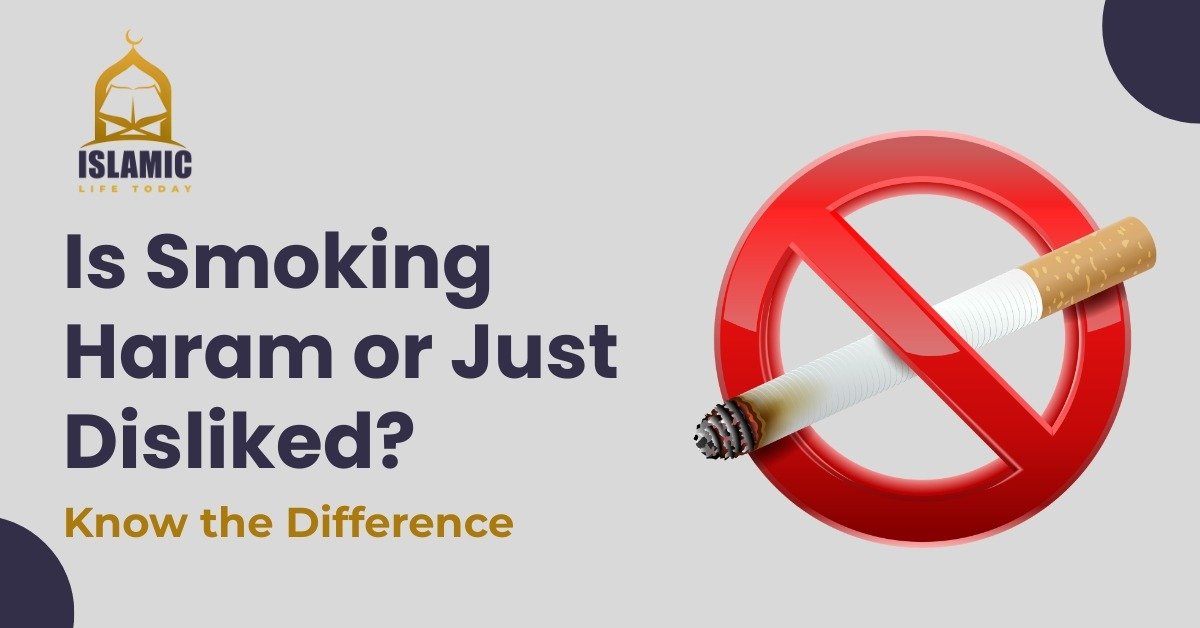
The question “is smoking haram” is something many Muslims around the world still ask today. And honestly, it’s not surprising. Smoking is everywhere—on streets, in social gatherings, even among people who pray regularly. So the confusion is real.
Some people say it’s just makruh (disliked), while others strongly believe it is completely haram. But what is the truth? And more importantly, what does Islam actually guide us toward when it comes to habits that harm the body?
Let’s break it down in a simple, clear, and practical way so you can understand not just the ruling, but the wisdom behind it.
Understanding the Keyword “Is Smoking Haram” in Islam
Before jumping to conclusions, we need to understand what haram really means in Islam.
What does “haram” actually mean?
Haram refers to something that is strictly forbidden in Islam. Doing it brings sin, and avoiding it brings reward. It is not just a suggestion—it is a clear boundary set by Allah for our protection.
Difference between haram and makruh (disliked)
Makruh means something disliked or discouraged. It is not sinful on the same level as haram, but avoiding it is better for spiritual growth.
So the real debate around smoking is this:
Is it just disliked… or has it crossed the line into harm?
What the Quran Says About Harm and Self-Destruction
The Quran does not mention smoking directly, but it gives strong principles about protecting life and avoiding harm.
Protection of life in Islamic teachings
Islam places huge importance on preserving health. Your body is considered an amanah (trust) from Allah. Anything that seriously harms it goes against Islamic values.
“Do not throw yourselves into destruction” concept
Allah clearly says not to harm yourself. Scholars use this principle to evaluate modern issues like smoking. If something is proven harmful, it naturally falls under prohibition.
And today? Medical science has made the harm of smoking very clear.
Scholarly Opinions on Smoking in Islam
Islamic scholars did not always have the same ruling on smoking, especially when it first appeared centuries ago.
Early scholars’ views
When tobacco was first introduced, some scholars considered it makruh because its dangers were not fully known at the time.
Modern scholars and medical evidence
As medical science advanced, showing clear links between smoking and diseases like cancer and heart failure, many scholars re-evaluated their stance.
Today, a large number of scholars classify smoking as haram due to its proven harm.
Health Risks of Smoking and Islamic Perspective
Let’s be real—this is where things become undeniable.
Smoking as self-harm
Smoking damages nearly every organ in the body. From lungs to heart, it slowly weakens your health. In Islam, intentionally harming yourself is not allowed.
Addiction and loss of control
Another concern is addiction. When something controls your behavior and weakens your discipline, it becomes spiritually dangerous as well.
Is Smoking Haram or Makruh? Different Views Explained
There are two main views in the Islamic world.
Majority opinion among contemporary scholars
Most modern scholars say smoking is haram because:
- It harms the body
- It wastes money
- It leads to addiction
- It affects others through passive smoking
Minority opinions and their reasoning
Some scholars still classify it as makruh, arguing that there is no direct Quranic text. However, even they discourage it strongly.
Why Many Scholars Now Consider Smoking Haram
Over time, the ruling shifted—and for good reason.
Medical science and undeniable harm
We now know smoking causes:
- Lung cancer
- Heart disease
- Breathing issues
- Reduced life expectancy
Islamic rulings evolve when strong evidence appears, and this is a clear case.
Financial waste in Islam
Islam also discourages wasting money. Smoking drains finances without any benefit—only harm.
Spiritual Effects of Smoking
Smoking is not only physical—it affects your spiritual life too.
Impact on worship and cleanliness
Smoking leaves smell, affects cleanliness, and can reduce focus in prayer. Cleanliness is half of faith in Islam, so this matters deeply.
Distance from spiritual discipline
A believer is meant to control desires, not be controlled by them. Addiction weakens that spiritual discipline.
Quitting Smoking in Islam – A Spiritual Journey
If someone realizes the harm, quitting becomes a powerful act of worship.
Intention to quit as an act of worship
Even deciding to stop smoking for Allah’s sake is rewarded. Islam values intention deeply.
Steps to overcome addiction
- Gradual reduction
- Avoiding triggers
- Seeking support
- Strengthening prayer
Practical Islamic Tips to Stop Smoking
A simple, faith-based guide with actionable steps like strengthening intention, making dua, and replacing habits to help you quit smoking for good.
Replacing habits with positive actions
Instead of smoking, try:
- Walking
- Dhikr (remembrance of Allah)
- Drinking water or chewing gum
Seeking help and dua
Never underestimate dua. Asking Allah for strength is one of the most powerful tools a believer has.
Frequently Asked Questions (FAQs)
No, smoking is not mentioned directly, but Islamic principles about harm and self-protection apply to it.
Yes, but smoking is discouraged especially during fasting as it breaks the spirit of self-control.
Struggling is normal. Islam encourages gradual improvement and sincere effort.
Many scholars consider vaping similar to smoking due to health risks and addiction.
Strong intention, dua, replacing habits, and seeking support are the most effective ways.
Conclusion
So, is smoking haram?
The strongest and most supported opinion today is that smoking is haram due to its proven harm to the body, financial waste, and spiritual impact. Even if someone still considers it makruh, there is no disagreement that it is strongly discouraged in Islam.
At the end of the day, Islam always guides us toward what protects us, not what destroys us. Choosing to quit smoking is not just a health decision—it is a spiritual upgrade.